You Won’t Believe What’s Hiding in Monaco’s Hills
When you think of Monaco, luxury yachts and grand prix circuits probably come to mind—but there’s another side to this tiny principality. Beyond the glitz, I discovered breathtaking natural landscapes that few tourists ever see. From coastal trails with panoramic views to hidden coves and fragrant Mediterranean flora, Monaco’s wild beauty is absolutely mind-blowing. This is not just a playground for the rich—it’s a secret paradise waiting to be explored. Nestled along the French Riviera, this microstate dazzles with its glamour, yet beneath its polished surface lies a surprisingly rugged and serene natural world. For travelers willing to step off the beaten path, Monaco offers a rare fusion of elegance and untouched nature.
Reimagining Monaco: More Than Glamour and Speed
Monaco is often reduced to a single narrative: wealth, speed, and spectacle. The annual Formula 1 Grand Prix races through its streets, drawing global attention to its polished boulevards and glittering casinos. Monte Carlo, with its opulent hotels and high-end boutiques, dominates the popular imagination. Yet this narrow portrayal overlooks a quieter, more enduring truth—Monaco is also a place of remarkable natural beauty, where limestone cliffs rise dramatically from the sea and green hills cradle hidden trails. The principality’s compact size—just over two square kilometers—belies the diversity of its terrain, much of which remains unspoiled by urban development.
While the city-state is undeniably urban in parts, nearly one-third of its land is dedicated to green spaces and protected natural zones. The Princess Grace Botanical Garden, perched above the port, offers a lush oasis of native and exotic plants. Meanwhile, the rugged slopes leading toward the French border reveal a wilder character, where nature reclaims the rocky outcrops and coastal paths wind through untouched Mediterranean scrub. These areas are not just scenic backdrops; they are vital ecosystems that support a surprising variety of plant and animal life.
Exploring this natural side of Monaco provides a refreshing counterbalance to the sensory overload of its urban centers. After wandering through the bustling Casino Square or the marina filled with million-dollar yachts, stepping onto a quiet coastal trail offers a moment of stillness. The contrast is not just physical but emotional—a shift from the artificial brilliance of city lights to the organic rhythms of wind, waves, and wildlife. For many visitors, this duality is a revelation: Monaco is not merely a symbol of excess, but a place where nature and civilization coexist in unexpected harmony.
The Mediterranean Coastline: Where Land Meets Sea in Dramatic Fashion
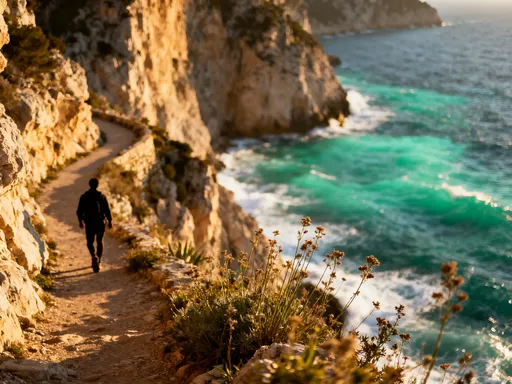
The coastline of Monaco and its surrounding region is a masterpiece of geological drama. The meeting of the Maritime Alps and the Mediterranean Sea has created a landscape of steep cliffs, narrow coves, and jagged promontories. These limestone formations, sculpted by centuries of wind and water, rise abruptly from the turquoise waters, creating a striking visual contrast between the deep blue sea and the pale, sun-bleached rock. Along this stretch of the Côte d’Azur, the land does not gently slope into the sea—it plunges into it, forming natural amphitheaters where waves echo against the stone.
One of the most compelling vantage points is near Cap d’Ail, just a short distance east of Monaco’s border. Though technically in France, this area is seamlessly connected to Monaco’s coastal experience and is easily accessible by foot or local bus. From here, the panoramic views stretch westward toward Monte Carlo and eastward toward Menton, with the Mediterranean unfolding in every direction. The clarity of the water allows swimmers and snorkelers to see marine life thriving below the surface, including schools of damselfish, sea urchins, and the occasional octopus nestled in rocky crevices.
Equally captivating is the stretch near Roquebrune-Cap-Martin, another neighboring town that forms part of the greater Riviera landscape. The area is renowned for its dramatic cliffs and secluded beaches, such as Plage du Midi and Larvotto Beach, which blend natural charm with thoughtful preservation. Visitors walking along the shore will notice how the scent of salt mingles with the aromatic oils of wild herbs—thyme, rosemary, and lavender—that cling to the rocky soil. The sun-warmed stone radiates heat long after sunset, and the rhythmic crash of waves against the cliffs creates a soothing, almost meditative soundscape.
This coastline is not just visually stunning; it is a living environment shaped by both natural forces and human stewardship. Erosion, tides, and seasonal storms continuously reshape the shore, while conservation efforts ensure that development does not overwhelm the delicate balance. Walking these coastal edges, one gains a deeper appreciation for the raw power and quiet beauty of the Mediterranean—a reminder that even in one of the world’s most developed regions, nature still commands respect.
Hiking the Hidden Trails: Walking Through Monaco’s Wild Side
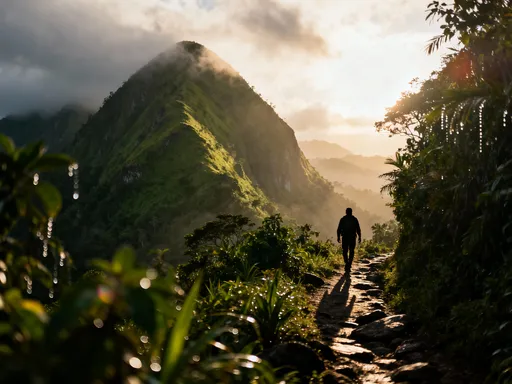
For those eager to experience Monaco’s natural beauty firsthand, hiking offers the most immersive way to explore. The principality and its immediate surroundings are threaded with well-maintained walking paths that cater to all levels of experience. Among the most popular is the Sentier du Littoral, a coastal trail that follows the shoreline from Cap d’Ail to Monaco, offering uninterrupted sea views and access to hidden coves. This path, also known as the Chemin des Douaniers (Customs Officers’ Path), was originally used by maritime patrol officers in the 19th century and has since been transformed into a scenic route for walkers and joggers.
The trail is relatively flat and paved in most sections, making it accessible to families, older adults, and casual hikers. Along the way, wooden benches provide rest spots with panoramic views, and informational plaques describe the local flora, geology, and history. What makes this route particularly special is its ability to reveal secluded spots that are invisible from the main roads. Small staircases lead down to pebble beaches where locals swim in summer, and narrow inlets offer quiet places to pause and listen to the waves. At sunrise or late afternoon, the light transforms the sea into a shimmering expanse of gold and turquoise, creating moments of pure serenity.
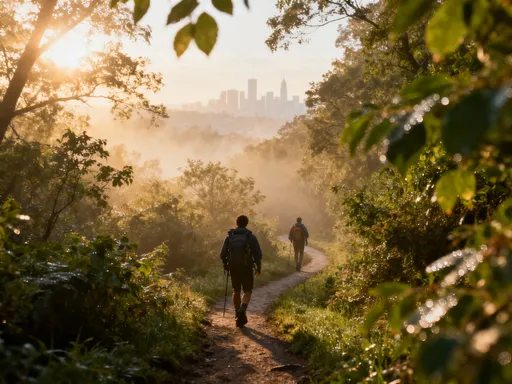
Another rewarding route is the path leading from Monaco-Ville, the historic old town, up toward the Jardin Exotique and beyond. This ascent offers a different perspective—instead of sea-level views, hikers are rewarded with sweeping vistas of the entire principality, the port, and the distant Alps. The trail winds through terraced gardens and rocky outcrops, passing clusters of succulents and drought-resistant plants that thrive in the Mediterranean climate. Signage is clear and multilingual, and the path is regularly maintained by local authorities, ensuring safety and accessibility.
What stands out about these trails is not just their beauty but their integration into daily life. Unlike remote wilderness hikes, these paths are part of the local fabric—Monegasques and residents of nearby towns use them for morning walks, dog walking, or quiet reflection. There is no entrance fee, no ticket required—just open access to nature in the heart of one of the world’s most exclusive destinations. This accessibility makes Monaco’s natural side not a luxury experience, but a democratic one, available to anyone willing to lace up their shoes and step outside the casino district.
Flora and Fauna: Life in the Rock
Beneath Monaco’s glamorous exterior lies a surprisingly rich ecosystem. The rocky terrain and Mediterranean climate create ideal conditions for a variety of hardy plant species that have adapted to dry summers, strong coastal winds, and nutrient-poor soils. The most common trees include the Aleppo pine, with its twisted branches and needle-like leaves, and the evergreen holm oak, which provides shade and shelter for smaller plants and animals. Olive trees, some centuries old, cling to terraced slopes, their gnarled trunks telling stories of resilience and longevity.
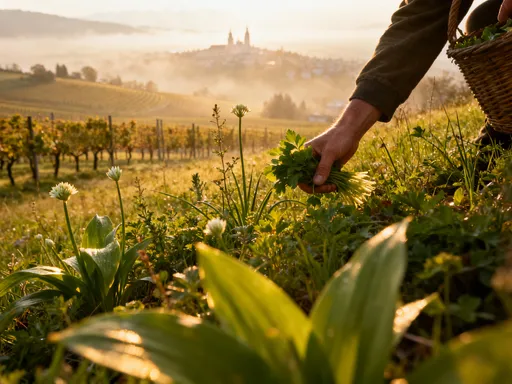
Equally striking are the aromatic herbs that perfume the air—wild thyme, rosemary, and sage grow abundantly along the trails, releasing their oils when brushed against. These plants are not just decorative; they have long been used in traditional Mediterranean cooking and herbal medicine. Local chefs sometimes forage for them to add authentic flavor to regional dishes, and visitors can often smell them before they see them, especially on warm afternoons when the heat intensifies their fragrance.
The animal life, though less visible, is equally fascinating. The cliffs serve as nesting sites for several bird species, including the peregrine falcon, one of the fastest animals on Earth, which dives at incredible speeds to catch prey over the sea. Smaller birds like the common swift and Alpine swift dart through the air, feeding on insects caught in the coastal updrafts. Lizards, such as the Ocellated lizard, sunbathe on warm rocks, while crabs and octopuses inhabit the tidal pools below.
Recognizing the importance of preserving this biodiversity, Monaco has implemented several conservation initiatives. The Monaco Nature Reserve, established in 1966, protects both marine and terrestrial habitats along the coast. This protected area restricts certain types of development and regulates fishing and boating activities to minimize environmental impact. Additionally, the Oceanographic Institute, founded by Prince Albert I, continues to support marine research and public education about ocean conservation. These efforts reflect a deep commitment to sustainability, proving that even a small nation can play a significant role in protecting the planet’s natural heritage.
Why Nature Exploration Elevates the Travel Experience
Travel is often associated with sightseeing—visiting landmarks, taking photos, and checking items off a list. But true connection comes not from passive observation, but from active engagement. Walking through Monaco’s natural landscapes transforms the experience from mere tourism into something more meaningful. The physical act of hiking—feeling the sun on your skin, hearing the wind in the pines, smelling the salt and herbs—creates sensory memories that last far longer than snapshots on a phone.
Research has consistently shown that spending time in nature improves mental well-being. Exposure to green spaces reduces stress, enhances mood, and increases feelings of relaxation and clarity. For travelers, especially those coming from fast-paced urban environments, this effect is amplified. A two-hour walk along the coast can reset the mind, offering a mental cleanse after days of navigating crowded cities or long flights. In Monaco, where the pace of life can feel accelerated by luxury and spectacle, these natural retreats provide essential balance.
Beyond personal benefits, nature exploration fosters a deeper understanding of a place. Rather than seeing Monaco only as a symbol of wealth, visitors who hike its trails begin to appreciate its geographical uniqueness, ecological challenges, and cultural relationship with the sea. They learn how the land has shaped the people, how history has left its mark on the landscape, and how modern stewardship preserves it for future generations. This kind of travel encourages curiosity, respect, and a sense of responsibility.
Moreover, active exploration changes perspective—literally and figuratively. When you walk, you move slowly enough to notice details: a flower blooming in a crack, a bird circling overhead, the way light dances on water. These small moments accumulate into a richer, more nuanced understanding of a destination. They remind us that travel is not just about where we go, but how we experience it. In a world increasingly dominated by speed and convenience, choosing to walk—to move mindfully through nature—is a quiet act of resistance and renewal.
Practical Tips for Exploring Monaco’s Natural Side
For those planning to discover Monaco’s natural landscapes, a few simple preparations can greatly enhance the experience. The best times to visit are spring (April to June) and autumn (September to October), when temperatures are mild, the wildflowers are in bloom, and the summer crowds have thinned. July and August, while sunny, can be extremely hot and crowded, especially along popular coastal paths.
Comfortable footwear is essential. While many trails are well-paved, others involve uneven terrain, rocky steps, or loose gravel. Sturdy walking shoes or hiking sandals with good grip will prevent slips and ensure comfort over longer distances. Lightweight, breathable clothing is recommended, along with a wide-brimmed hat and sunglasses to protect against the strong Mediterranean sun. Sunscreen should be applied regularly, even on cloudy days, as UV exposure remains high near reflective water and stone surfaces.
Carrying a small backpack with water, a snack, and a reusable container is wise—there are limited refreshment options along the trails. While some routes pass near cafes or villages, it’s best to be self-sufficient. A refillable water bottle is both practical and environmentally friendly, supporting Monaco’s commitment to sustainability. A compact map or offline navigation app can also be helpful, though signage is generally clear and directional.
To enrich the experience, consider combining a nature walk with a visit to a nearby village. Eze, perched high above the coast, offers stunning views and a charming medieval atmosphere, with small shops selling local crafts and perfumes. Menton, known as the “City of Lemons,” features colorful markets and citrus-scented gardens. These towns provide opportunities to sample regional cuisine—think grilled fish, olive tapenade, and socca (a chickpea pancake)—and to interact with locals who take pride in their heritage. Such combinations create a well-rounded day that blends physical activity, cultural immersion, and culinary delight.
Conclusion: Discovering the Soul of Monaco
Monaco is often judged by its most visible features: wealth, speed, and luxury. But to see only these aspects is to miss its soul. Beneath the glamour lies a landscape of quiet beauty—a coastline carved by time, trails that invite contemplation, and a rich tapestry of life thriving in the rocks and sea. This natural dimension adds depth and authenticity to the Monaco story, transforming it from a postcard image into a living, breathing destination.
Travelers are increasingly seeking experiences that go beyond surface-level attractions. They want connection, meaning, and moments of genuine wonder. In Monaco, these moments are found not in the casino or the yacht harbor, but on a sunlit path above the waves, in the scent of wild thyme, in the cry of a falcon circling overhead. They come from stepping away from the noise and allowing oneself to be present in nature.
The call to explore Monaco’s hidden hills is not just an invitation to see a new place—it is an invitation to travel differently. To slow down. To walk instead of drive. To notice instead of rush. In doing so, we not only discover the beauty of a small principality but also reconnect with the simple joys of being alive. The sea stretches endlessly, the wind carries the scent of pine, and for a moment, everything feels possible. That is the true magic of Monaco—and it’s waiting just beyond the spotlight.