Dining on White: How Pamukkale’s Culture Turns Meals into Magic
You know that feeling when a place doesn’t just feed your eyes, but also your soul—and your stomach? That’s Pamukkale. I didn’t expect Turkish culture to shine so brightly through food, but here, every meal felt like a story. Nestled in surreal white terraces and ancient ruins, specialty dining isn’t about fancy plating—it’s about connection, tradition, and flavors that linger long after the journey ends. In this quiet corner of southwestern Turkey, where calcified waterfalls glow under the sun and history hums beneath stone pathways, food is not an afterthought. It is a continuation of the landscape, a ritual shaped by centuries of communal life, thermal springs, and agricultural rhythms. Dining in Pamukkale is not merely sustenance; it is an invitation to witness how culture and cuisine intertwine in the most natural of ways.
First Glimpse: Where Nature and Culture Collide
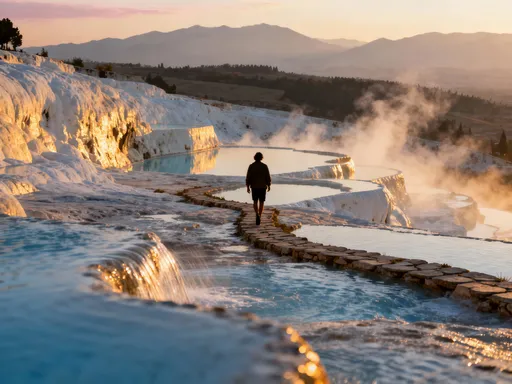
Pamukkale, meaning 'Cotton Castle' in Turkish, is a geological marvel formed over millennia by mineral-rich thermal waters cascading down the mountainside. As these waters cool and evaporate, they leave behind deposits of calcium carbonate, creating terraced pools that resemble frozen waterfalls. The result is a dreamscape of milky-white travertines, shimmering under the Anatolian sun. This natural phenomenon has drawn visitors for over two thousand years, long before modern tourism made it a UNESCO World Heritage Site. The Romans, recognizing its therapeutic value, built the ancient city of Hierapolis atop the slopes, complete with baths, temples, and a grand theater. Today, visitors walk barefoot across the warm stone, soaking in both history and hydrotherapy.
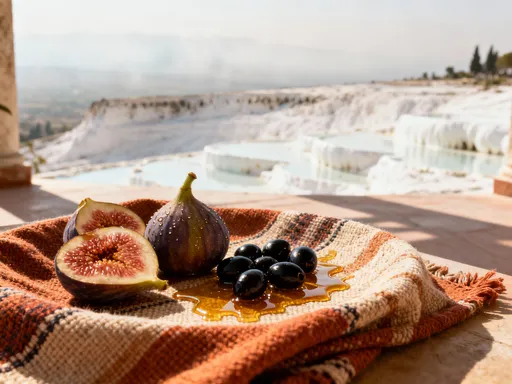
But Pamukkale is more than a postcard-perfect destination. It is a living cultural ecosystem where nature and human tradition coexist. The same thermal springs that shaped the landscape also nurtured agriculture, health practices, and culinary customs. Local diets have long benefited from the fertile valleys surrounding the terraces, where figs, olives, and herbs thrive in mineral-enriched soil. Even the water used in cooking carries a distinct taste, subtly altered by its journey through limestone. This deep interconnection means that dining here is not separate from the environment—it is an extension of it. To eat in Pamukkale is to consume the essence of the land itself, shaped by time, temperature, and tradition.
The presence of Hierapolis adds another layer to this cultural tapestry. Once a center of healing and pilgrimage, the ruins stand as a testament to the region’s enduring spiritual significance. Modern-day visitors often begin their day with a walk through its colonnaded streets, then pause for breakfast with a view of the ancient necropolis. This seamless blend of past and present creates a unique atmosphere where meals feel ceremonial. Whether seated on a stone patio overlooking the travertines or in a quiet courtyard shaded by pomegranate trees, one senses that food here is part of a continuum—a practice passed down through generations, sustained by reverence for both nature and heritage.
The Heartbeat of Hospitality: Turkish Dining Culture
To understand dining in Pamukkale, one must first understand the Turkish philosophy of hospitality. In Turkey, sharing a meal is not simply an act of feeding guests—it is an expression of respect, generosity, and kinship. The concept of *misafirperverlik*, or guest-friendliness, is deeply embedded in the national ethos. It is common for hosts to offer tea, sweets, or even a full meal to unexpected visitors, often refusing any form of payment. This warmth is not performative; it is a cultural reflex, a way of affirming human connection. In Pamukkale, where tourism has grown steadily, this tradition remains intact, especially in family-run establishments and rural homestays.
Meals in Turkey are inherently social, designed to be slow, shared, and abundant. The typical dining experience begins with *meze*—a spread of small dishes such as stuffed grape leaves, yogurt with cucumber, roasted peppers, and olive-tomato salads. These are not appetizers in the Western sense but rather the foundation of the meal, meant to be enjoyed over conversation and glasses of *ayran* or *şalgam suyu*. Bread is ever-present, used to scoop, dip, and savor every last trace of flavor. Main courses often feature grilled meats, legumes, or stuffed vegetables, served family-style. Dessert might be fresh fruit, baklava, or a simple bowl of honey-drizzled cheese. The rhythm is unhurried, the focus on presence rather than efficiency.
This communal approach transforms dining into a ritual of togetherness. In Pamukkale, where the pace of life remains relatively calm compared to larger cities, meals stretch into hours. A simple lunch can become a gathering of strangers turned friends, united by shared plates and stories. Even in modest roadside cafes, servers often linger to explain dishes, offer recommendations, or pour additional tea. This level of care is not driven by commercial interest alone—it reflects a genuine desire to make guests feel welcomed. For the traveler, this means that every meal becomes more than nourishment; it becomes a moment of belonging, a fleeting yet meaningful entry into the fabric of local life.
Flavors of the Foothills: Local Ingredients and Seasonal Rhythms
The cuisine of Pamukkale is rooted in the land. The fertile valleys of Denizli Province, watered by natural springs and warmed by a Mediterranean-influenced climate, yield an abundance of fresh produce. Figs, in particular, are a regional hallmark—plump, sun-ripened, and often dried for winter use. Olive groves dot the hillsides, producing golden oil with a mild, buttery finish. Dairy products, especially sheep and goat milk, are staples, used in cheeses, yogurts, and desserts. Honey, harvested from bees that forage on wild thyme and mountain herbs, carries a floral depth unlike any mass-produced variety.
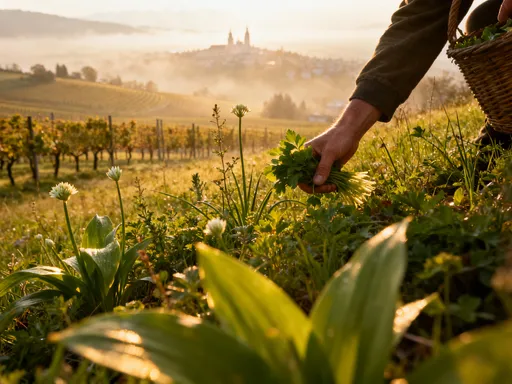
What sets these ingredients apart is not just their quality but their connection to the environment. The mineral-rich soil, influenced by the same calcium-laden waters that form the travertines, imparts a subtle complexity to crops. Vegetables grow with concentrated flavor, herbs with heightened aroma. Even the air carries the scent of rosemary and oregano after a summer rain. Seasonality plays a crucial role in the local diet. Spring brings wild greens like *semizotu* (purslane) and fresh artichokes, while autumn is marked by grape harvests and the making of *pekmez*, a grape molasses used in both savory and sweet dishes.
Many local eateries operate on a farm-to-table principle, even if they do not advertise it as such. Family kitchens often source directly from their own orchards or neighboring farms, ensuring peak freshness. Breakfasts may include homemade jams, fresh figs, and warm bread baked in wood-fired ovens. Lunches feature slow-cooked stews made with lamb from nearby pastures or vegetable dishes prepared with just-picked produce. There is little reliance on imported or processed foods, which preserves the authenticity of the flavors. For visitors, this means that every bite reflects the rhythm of the region—its seasons, its soil, and its people’s deep respect for natural cycles.
Beyond the Terrace View: Unique Dining Experiences
Dining in Pamukkale is as much about ambiance as it is about taste. Some of the most memorable meals are not served in grand restaurants but in simple, intimate settings that highlight the region’s beauty. Imagine sitting on a sun-drenched patio at dawn, sipping black tea as the travertines glow in soft pink light. A wooden tray arrives, laden with cheeses, olives, tomatoes, and honeycomb. The air is cool, the silence broken only by birdsong and the distant murmur of water. This is breakfast in a traditional guesthouse, where time slows and every sense is awakened.
Evening meals offer their own magic. In family-run gardens draped with grapevines, long tables are set under strings of lanterns. The scent of grilled meat and herbs fills the air as platters of *kebabs*, *pilav*, and *ezme* salad are passed around. Children laugh in the background, elders share stories, and the sound of a saz (a traditional string instrument) drifts from a nearby room. These gatherings are not staged for tourists—they are everyday moments of community life, graciously shared with visitors. Eating lamb cooked over an open fire, wrapped in freshly baked *lavash*, feels more profound when surrounded by generations of tradition.
Some accommodations offer terrace dining with panoramic views of the travertines, allowing guests to eat while watching the sun dip below the horizon. Others are housed in restored Ottoman-era buildings, where thick stone walls keep interiors cool and wooden latticework filters the light. In these spaces, every detail—from the hand-painted tiles to the embroidered tablecloths—speaks of heritage. The experience is immersive, reminding diners that food is not isolated from architecture, history, or nature. It is all part of a single, harmonious culture. These moments—simple, sensory, and deeply human—are what make Pamukkale’s dining scene unforgettable.
Cooking with Tradition: Culinary Encounters and Workshops
For those seeking a deeper connection, hands-on culinary experiences offer a window into the soul of Turkish food culture. Several local guides and homestays organize cooking classes, market tours, and home dining opportunities. These are not demonstrations for passive observers but participatory events where guests chop, stir, and knead alongside hosts. The goal is not perfection but participation—a chance to learn not just recipes, but stories.
A typical morning might begin with a visit to a village market, where baskets overflow with seasonal produce. A local cook explains how to choose the ripest figs, the firmest eggplants, and the freshest herbs. Back in the kitchen, participants learn to prepare dishes like *imam bayildi* (stuffed eggplant), *mercimek köftesi* (lentil patties), or *gözleme*—a savory flatbread filled with spinach, cheese, or minced meat and cooked on a griddle. Techniques are passed down orally, with emphasis on touch, smell, and intuition rather than precise measurements. A pinch of salt here, a handful of parsley there—these are the rhythms of ancestral cooking.
Perhaps the most powerful aspect of these workshops is the conversation that unfolds. As hands work dough or stir pots, hosts share memories of childhood meals, family recipes, and the role of food in celebrations. One woman might recall her grandmother making *lokum* (Turkish delight) during Eid, while another describes how weddings once involved days of communal cooking. These stories add emotional depth to the dishes, transforming them from mere food into vessels of memory. For the traveler, this is more than a class—it is an act of cultural exchange, a moment of mutual understanding built around a shared table.
Balancing Tourism and Authenticity: The Changing Food Scene
As Pamukkale’s popularity grows, so does its food landscape. New cafes, souvenir shops, and themed restaurants have emerged, catering to international tastes. Some offer generic menus—fried calamari, pizza, and overpriced Turkish tea—designed more for convenience than authenticity. While these establishments provide accessibility, they risk diluting the region’s culinary identity. The rise of mass tourism can lead to homogenization, where local flavors are replaced by standardized offerings that appeal to the lowest common denominator.
Yet, amidst these changes, many family kitchens and small eateries remain resilient. They continue to serve traditional dishes using time-honored methods, often at modest prices. These are the places where travelers can still find *mantı* (Turkish dumplings) hand-pinched by grandmothers, or *yayla çorbası* (yogurt soup) simmered with wild herbs. Some owners have adapted by offering multilingual menus or online reservations, but the core of their operation—home-cooked food, local ingredients, and warm service—remains unchanged. Supporting these establishments is not just a culinary choice but an ethical one, a way to sustain cultural heritage in the face of commercialization.
For visitors, the key is discernment. Rather than defaulting to the busiest or most advertised spots, seeking out quieter, family-run venues often leads to more authentic experiences. Asking locals for recommendations, visiting morning markets, or choosing accommodations with in-house dining can also guide travelers toward genuine flavors. The goal is not to reject modernity but to honor tradition—to recognize that the soul of Pamukkale’s cuisine lies not in spectacle, but in simplicity, seasonality, and sincerity.
Why This Matters: Food as Cultural Memory
Dining in Pamukkale is more than a sensory pleasure—it is an act of cultural preservation. Every meal tells a story: of farmers tending fig orchards, of mothers passing down recipes, of communities gathering around shared tables. In a world where fast food and globalized tastes threaten local foodways, these traditions are fragile yet vital. They represent continuity, a link between past and present that nourishes not just bodies but identities.
When travelers choose to eat mindfully—selecting seasonal dishes, supporting family-run kitchens, engaging with local cooks—they become part of this preservation. They affirm that food is not a commodity but a legacy. The flavors of Pamukkale are not static; they evolve with each generation, yet they remain rooted in the land, the climate, and the collective memory of its people. To savor them is to participate in a living tradition, one that values slowness, generosity, and connection.
So as you stand atop the travertines, gazing at the white terraces that have drawn souls for centuries, remember that the true magic of Pamukkale extends beyond the view. It is in the warmth of a shared meal, the sweetness of a sun-ripened fig, the aroma of herbs rising from a simmering pot. It is in the quiet moments when food becomes more than sustenance—it becomes a bridge. A bridge between traveler and host, between past and present, between nature and culture. Let your journey be not only one of sight, but of taste. For in Pamukkale, every bite is a story waiting to be lived.