You Won't Believe What Pecs' Neighborhoods Are Hiding
Pecs isn’t just Hungary’s cultural gem—its districts each tell a different story. From artsy alleys to Ottoman echoes, I was blown away by how much character fits into one city. If you think it’s just about the cathedral or early Christian tombs, you’re missing half the magic. The real soul of Pecs lives in its neighborhoods, where every street corner feels like a quiet revelation. Walking through its varied districts, I discovered a city that balances deep history with contemporary rhythm, where UNESCO heritage sites sit alongside student cafés and artisan workshops. This is not a place frozen in time, but one that breathes with layered identities—each neighborhood offering a distinct mood, memory, and moment.
Introduction to Pecs: More Than a Southern Hungarian Postcard
Often overshadowed by Budapest or the shores of Lake Balaton, Pecs quietly stands as one of Hungary’s most culturally layered cities. Located in the sun-drenched south near the Croatian border, it has served as a crossroads for civilizations for over two millennia. Romans built here, Christians buried their dead beneath what is now the city center, Ottomans left mosques and thermal baths, and Austro-Hungarian architects shaped its elegant streets. Recognized as a UNESCO World Heritage site for its Early Christian Necropolis, Pecs is more than a destination for history buffs—it is a living city where the past is not preserved behind glass but woven into everyday life.
Yet many travelers limit their visit to the cathedral, the necropolis, and a quick coffee in the main square. While these landmarks are undeniably important, they offer only a surface glimpse. To truly understand Pecs, one must move beyond the postcard sights and explore its neighborhoods. Each district carries its own identity—some steeped in tradition, others pulsing with youthful energy, and a few quietly blending both. This approach transforms a standard city tour into a journey of discovery, where the rhythm of life, local habits, and architectural nuances reveal a richer narrative.
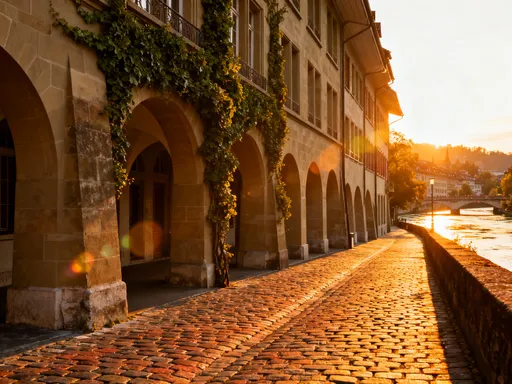
Exploring Pecs by district allows visitors to experience authenticity that guidebooks often miss. It’s in these quieter zones that you’ll find grandmothers tending flower boxes, students sketching in sunlit parks, and artisans shaping ceramics using century-old techniques. The city’s charm isn’t confined to monuments; it lives in the flow between places, in the shift from cobblestone alleys to tree-lined boulevards, from bustling markets to riverside trails. This neighborhood-by-neighborhood journey offers a deeper, more personal connection to a city that deserves to be felt, not just seen.
Óváros (Old Town): Where History Meets Hipster Vibes
The heart of Pecs, known as Óváros or Old Town, is where the city’s dual nature becomes most evident. Here, centuries-old buildings stand shoulder to shoulder with modern galleries, indie bookshops, and artisan coffee houses. The Zsolnay Cultural Quarter, centered around the beautifully restored Zsolnay Villa, acts as a cultural anchor, hosting exhibitions, concerts, and creative workshops. This area, once a quiet residential corner, has evolved into a hub for artists and creatives, breathing new life into historic spaces without erasing their past.
Just a short walk away, Cathedral Square remains the spiritual and symbolic center of the city. The Pecs Cathedral, with its striking neoclassical façade and twin bell towers, dominates the plaza. Beneath it lies the UNESCO-listed Early Christian Necropolis, a 4th-century burial complex adorned with frescoes that offer a rare glimpse into early Christian art and belief. Visitors often pause here, struck by the contrast between the solemn underground chambers and the lively atmosphere above, where street musicians play and café terraces fill with locals enjoying afternoon coffee.
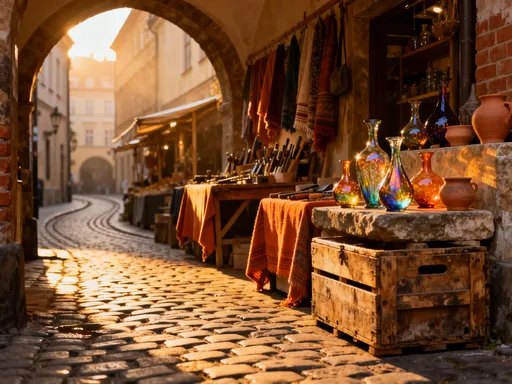
What makes Óváros special is its balance. It does not feel like a museum district frozen in time, nor is it overly commercialized. Instead, it thrives on a subtle fusion—Baroque facades house vegan bakeries, Ottoman-era minarets stand near design studios, and weekend markets showcase handmade crafts alongside traditional Hungarian pastries. The rhythm here is relaxed but engaging, inviting exploration without pressure. Whether you’re sipping a latte in a sun-drenched courtyard or browsing contemporary art in a converted townhouse, Óváros sets the tone for a city that honors its past while embracing the present.
Dél-Fehér: Quiet Charm with a Local Pulse
Just south of the Old Town lies Dél-Fehér, a residential district that offers a peaceful counterpoint to the cultural intensity of the city center. Tree-lined avenues, pastel-colored homes, and well-kept gardens give the area a distinctly domestic charm. This is not a tourist hotspot, but it is precisely this lack of fanfare that makes it so appealing. Walking through Dél-Fehér feels like stepping into the daily life of Pecs, where life unfolds at a gentler pace and neighbors greet each other by name.
The district is home to several small parks and green spaces, including Széchenyi Square, a favorite among families and dog walkers. In spring and summer, the square fills with children playing, elderly residents reading on benches, and the occasional open-air yoga class. Local bakeries line the side streets, their windows filled with fresh kifli (horn-shaped pastries), pogácsa (savory scones), and other Hungarian staples. These unassuming shops are where locals start their day, grabbing a warm roll and a cup of strong coffee before heading to work or school.
Dél-Fehér also benefits from its proximity to the University of Pecs, one of Hungary’s oldest and most respected institutions. While the campus itself is located nearby, the district absorbs some of the university’s energy without becoming dominated by student life. You’ll find a mix of generations—families, academics, retirees—coexisting in a balanced urban environment. For visitors, this makes Dél-Fehér an ideal place to experience authentic city life, away from crowds but still within easy walking distance of major attractions. It’s a reminder that Pecs is not just a destination for sightseeing, but a place where people live, work, and build community.
Főpályaudvar District: Urban Energy and Everyday Life
If Dél-Fehér represents the calm, the Főpályaudvar district—centered around Pecs’ main railway station—embodies the city’s pulse. This is where movement begins and ends, where commuters, students, and travelers converge daily. The area is not traditionally scenic, but it offers an unfiltered view of urban life in southern Hungary. Shops open early, buses arrive on tight schedules, and the air carries the scent of fresh bread, diesel, and strong coffee—a sensory snapshot of everyday reality.
The district is a mosaic of small businesses: newsstands, convenience stores, mobile phone repair shops, and budget-friendly eateries serving goulash, lángos (fried dough with toppings), and hearty stews. These establishments cater to a diverse crowd—workers in transit, university students on a break, and local residents running errands. Prices are lower here than in the tourist zones, and the atmosphere is more direct, less polished. Yet there is warmth in the interactions, a sense of routine and reliability that many visitors find reassuring.
Főpályaudvar also serves as a practical gateway for exploring Pecs. From the station, regional buses and city trams connect to every corner of the city, making it easy to plan a day of neighborhood hopping. Travelers arriving by train can immediately immerse themselves in the city’s rhythm rather than being shuttled to a tourist bubble. For those interested in social observation, this district offers rich material—how people move, communicate, and navigate their day. It’s not a place to linger for hours, but a vital piece of the city’s fabric, reminding us that urban charm often lies not in perfection, but in authenticity.
Malomvölgy: Nature, Art, and the Zsolnay Legacy
Nestled along the Malomvölgyi Stream, the Malomvölgy district is where nature, industry, and art converge in a uniquely Hungarian way. This area is best known as the home of the Zsolnay Porcelain Manufactory, a world-renowned ceramics company founded in 1853. The factory’s legacy is visible everywhere—from the iridescent Art Nouveau tiles adorning public buildings to the elegant vases displayed in museums. A visit to the Zsolnay Cultural Quarter includes a museum, guided factory tours, and a shop where visitors can purchase handcrafted pieces, from delicate teacups to architectural ornaments.
The surrounding neighborhood reflects this artistic heritage. Streets are lined with villas and workshops that once housed artisans and factory managers. Many have been restored, their façades gleaming with original Zsolnay tiles in turquoise, gold, and deep green. The area feels both historic and alive, with artists’ studios, design shops, and cultural events contributing to its creative energy. In spring and summer, open-air exhibitions and craft fairs draw locals and tourists alike, turning the district into an open-air gallery.
Equally important is the natural setting. The Malomvölgyi Stream winds through the area, flanked by walking paths, wooden bridges, and native plants. It’s a favorite spot for joggers, dog walkers, and couples seeking a quiet stroll. In autumn, the trees turn golden, their reflections shimmering in the water. This blend of culture and nature makes Malomvölgy one of Pecs’ most distinctive districts—a place where industrial history is not hidden but celebrated, and where creativity flows as freely as the stream itself.
Gesztenyés and the Northern Edges: Suburban Serenity
To the north of Pecs, the city expands into quieter, more residential zones, with Gesztenyés standing out as a model of modern suburban living. Characterized by well-planned housing developments, tree-lined avenues, and community parks, this area offers a different kind of urban experience—one focused on comfort, accessibility, and family life. Unlike the historic core, Gesztenyés was largely developed in the late 20th and early 21st centuries, giving it a more contemporary feel while still maintaining green spaces and pedestrian-friendly design.
The district is home to several local schools, playgrounds, and shopping centers, making it popular with families and young professionals. Supermarkets, pharmacies, and neighborhood cafes serve daily needs, reducing the need to travel into the city center for routine errands. Despite its suburban character, Gesztenyés is well connected by public transport, with regular bus lines linking it to the university, hospitals, and downtown. This balance of convenience and tranquility makes it one of the most desirable places to live in Pecs.
One of the district’s quiet highlights is its proximity to the Pannon University campus, which brings a steady flow of academic activity without overwhelming the area. You’ll see students biking to class, professors walking with books under their arms, and university events occasionally spilling into local venues. Yet Gesztenyés remains fundamentally residential—a place to unwind, garden, and enjoy a slower pace. For visitors, a walk through this district offers insight into how Hungarians live outside the historic center, where modern life unfolds in harmony with thoughtful urban planning and access to nature.
Walking the City: A District-by-District Exploration Strategy
To fully appreciate Pecs, the best approach is to explore it on foot or by bicycle, moving from one district to the next with intention and curiosity. The city is compact enough that most neighborhoods are within a 30-minute walk of each other, yet distinct enough to feel like separate worlds. A well-planned route can take you from the grandeur of the Old Town to the serenity of Malomvölgy, then south to the residential calm of Dél-Fehér, and back through the urban pulse of Főpályaudvar—all in a single day.
Begin in the morning at the Zsolnay Cultural Quarter, when the light is soft and the streets are quiet. Allow at least two hours to tour the museum and stroll through the surrounding streets, noticing the architectural details and ceramic embellishments. From there, walk to Cathedral Square, pausing for coffee at a café with outdoor seating. After visiting the necropolis, head south toward Dél-Fehér, taking side streets that lead to Széchenyi Square. This is an ideal spot for a midday break—pack a light lunch or buy a pastry from a local bakery.
In the afternoon, make your way to Malomvölgy, following signs to the Malomvölgyi Stream. The walk itself is part of the experience, as the city gradually becomes greener and quieter. Spend time by the water, then visit the Zsolnay factory if time allows. To end the day, take a tram or bus to Főpályaudvar, where you can observe the flow of city life before returning to the center for dinner. If you have two days, consider splitting the itinerary—dedicating one to the cultural and historic core, and the other to the northern and southern residential zones.
Timing matters. Mornings are best for photography, with golden light enhancing the colorful buildings and tilework. Late afternoons bring out local life—children playing, neighbors chatting, shops bustling. Weekends offer markets and cultural events, while weekdays provide a clearer view of daily routines. Wear comfortable shoes, carry water, and allow time to pause. The magic of Pecs lies not in checking off landmarks, but in noticing the subtle shifts between districts—the change in architecture, the rhythm of footsteps, the scent of baking bread around the corner.
Conclusion: Pecs Through the Lens of Its Districts
Pecs is a city of layers, and its true essence is revealed not in isolated monuments, but in the spaces between them. Each district contributes a unique thread to the city’s fabric—Óváros with its cultural vitality, Dél-Fehér with its domestic warmth, Főpályaudvar with its urban realism, Malomvölgy with its artistic legacy, and Gesztenyés with its modern serenity. Together, they form a portrait of a city that is historically rich, culturally dynamic, and deeply human.
To visit Pecs only for its UNESCO site or cathedral is to see only the surface. The deeper experience comes from walking its neighborhoods, observing how people live, and feeling the subtle transitions from one zone to the next. This is where the city’s soul resides—in the quiet courtyards, the neighborhood bakeries, the riverside paths, and the everyday moments that tourists often overlook.
As you wander from district to district, you begin to understand Pecs not as a checklist of sights, but as a living, breathing community with its own rhythm and character. It invites slow exploration, thoughtful observation, and genuine connection. So the next time you plan a trip to Hungary, look beyond the obvious destinations. Let Pecs surprise you—not with grand spectacles, but with the quiet magic of its streets, the warmth of its people, and the enduring beauty of a city that reveals itself one neighborhood at a time.