Chasing Light and Canals: The Viewpoints That Made Me Fall in Love with Amsterdam
Walking through Amsterdam feels like flipping through a living photo album—every turn offers a postcard-worthy moment. From golden sunrises over quiet canals to vibrant street scenes framed by historic gables, the city whispers, “Take my picture.” I didn’t just visit—I saw Amsterdam, one breathtaking viewpoint at a time. If you're chasing the soul of this city through your lens, these spots aren’t just scenic—they’re essential. With its delicate interplay of water, light, and centuries-old architecture, Amsterdam invites photographers to slow down, observe, and discover beauty in both grand vistas and quiet corners. This is a city that rewards patience, perspective, and presence.
Why Amsterdam is a Photographer’s Dream
Amsterdam occupies a rare space in the world of urban photography—a city where beauty is not reserved for landmarks but woven into everyday life. Its intimate scale, crisscrossed by more than 160 canals and spanned by over 1,500 bridges, creates a natural rhythm of reflections, symmetry, and layered depth. Unlike grander European capitals that overwhelm with scale, Amsterdam draws you in with charm, offering compositions at eye level and angles that feel personal, even intimate. The interplay of light on water, the soft glow of streetlamps at dusk, and the colorful facades leaning gently over narrow waterways form a visual language all their own.
What truly sets Amsterdam apart is how accessible its beauty is. You don’t need special access or elevated vantage points to find magic—though those exist, too. A quiet morning stroll along a residential canal can yield images as compelling as those from the most famous viewpoints. The city’s design, rooted in 17th-century urban planning, naturally frames scenes: gabled houses align like sentinels, bridges arc perfectly over still waters, and tree-lined quays soften the urban edge. For photographers, this means composition often feels intuitive, almost guided by the city itself.
Moreover, Amsterdam’s light has a distinctive quality—diffused, gentle, and ever-changing. The flat Dutch landscape allows sunlight to spread evenly, while frequent cloud cover softens harsh shadows. This makes the city particularly forgiving for beginners and endlessly inspiring for professionals. Whether capturing the golden warmth of a low winter sun or the cool clarity of a spring morning, photographers find that Amsterdam’s atmosphere enhances rather than competes with their vision. It’s a place where even the most ordinary moments—a bicycle leaning against a wall, laundry fluttering between buildings—become poetic through the lens.
The Iconic Canal Ring: More Than Just a Postcard
The Canal Ring, or Grachtengordel, is Amsterdam’s crown jewel and a UNESCO World Heritage site since 2010. Comprising Herengracht, Keizersgracht, and Prinsengracht, this concentric network of waterways was designed in the Dutch Golden Age as both a functional transport system and a symbol of prosperity. Today, it remains one of the most photographed urban landscapes in Europe. But beyond the postcard views lies a deeper visual story—one of rhythm, reflection, and light.
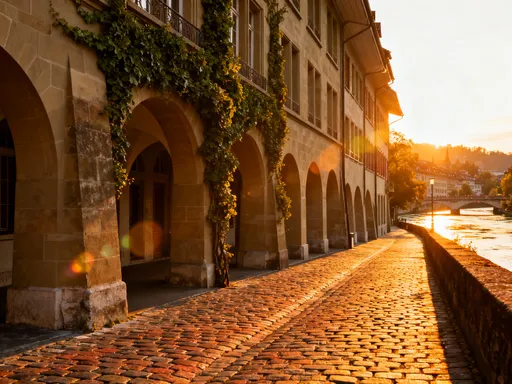
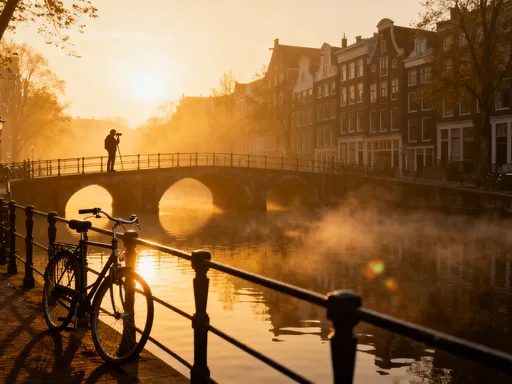
Herengracht, the most prestigious of the three, offers some of the finest examples of classical Amsterdam architecture. The grand 17th-century merchant houses, with their ornate step gables and symmetrical windows, reflect perfectly in the still waters during early morning hours. One particularly rewarding stretch lies between Leidsebrug and Vijzelstraat, where the canal curves gently, creating a natural frame. Arriving just after sunrise, when the city is still waking, allows photographers to capture the golden light skimming across the facades without crowds or passing boats disrupting the reflections.
Keizersgracht, named after Emperor Charles V, is wider and calmer, making it ideal for long-exposure shots that smooth ripples into glass-like surfaces. The stretch near the Magere Brug (Skinny Bridge) is especially photogenic at twilight, when houseboats illuminate their decks and streetlamps cast warm glows on the water. Using a polarizing filter here can enhance contrast and reduce glare, bringing out the rich textures of brick and timber.
Prinsengracht, the longest of the three, pulses with life. Lined with cafes, flower stalls, and bustling houseboat communities, it offers dynamic street photography opportunities. The Westerkerk tower rises prominently along this canal, creating a powerful vertical accent in horizontal compositions. For a more contemplative moment, head to the quieter northern section near the Noorderkerk, where the pace slows and the water mirrors the sky in soft gradients of gray and blue. The key to mastering the Canal Ring is timing—early mornings offer stillness, while golden hour delivers warmth and drama.
Elevated Perspectives: Where to Rise Above the City
While much of Amsterdam’s magic unfolds at ground level, rising above the city reveals a different dimension—one of patterns, geometry, and sweeping panoramas. From observation decks to church towers, elevated viewpoints offer a strategic advantage for capturing the city’s intricate layout and ever-shifting light.
The A'DAM Tower, located across the IJ River in Amsterdam-Noord, is one of the most accessible and dramatic vantage points. Its rooftop observation deck, accessible by a short ferry ride from Central Station, provides a 360-degree view of the city skyline. At dusk, as the lights of Central Station and the historic center begin to glow, the contrast between old and new Amsterdam becomes striking. The modern curves of the Eye Filmmuseum stand opposite the gabled rooftops of the city center, creating a visual dialogue between past and present. For photographers, this is an ideal location for long-exposure cityscapes and silhouette shots of the skyline.
Another compelling option is the rooftop of the Eye Filmmuseum itself, which not only houses a renowned collection of cinematic history but also offers an open terrace with unobstructed views. The angular architecture of the building frames the city in bold lines, making it a favorite among architectural photographers. The view westward, across the IJ waterway, captures the rhythm of ferry traffic and the changing sky—particularly effective during stormy weather when clouds roll in dramatically.
For a more historic ascent, climbing the Westerkerk tower remains a uniquely Amsterdam experience. The 200-step climb is modest by global standards, but the reward is immense. From the top, you look out over a sea of red rooftops, church spires, and winding canals stretching in every direction. The tower’s location on Prinsengracht places it at the heart of the Canal Ring, offering a bird’s-eye view of the geometric precision of the 17th-century urban plan. Early afternoon light is ideal here, when the sun casts long shadows across the rooftops, emphasizing texture and depth. Because access is limited and the stairs narrow, it’s best to book in advance and bring a lightweight camera setup.
Hidden Gems Off the Tourist Trail
While the Canal Ring draws millions, Amsterdam’s quieter corners offer some of its most authentic and visually compelling moments. These lesser-known areas invite photographers to explore beyond the postcard and discover the city’s residential soul—where daily life unfolds without performance or pretense.
The Jordaan neighborhood, though increasingly popular, still holds pockets of tranquility. Wander the back alleys between Westerstraat and Elandsgracht, where narrow passageways open onto hidden courtyards and quiet canals. Bloemgracht, with its colorful flower boxes and lack of heavy foot traffic, is a favorite among local photographers. The canal’s gentle curve and evenly spaced houses create natural symmetry, while the soft morning light enhances the pastel tones of the facades. Because this area is primarily residential, it’s important to be respectful—avoid photographing people in their private spaces and focus instead on architecture and atmosphere.
Further north, the Amsterdam-Noord district offers a stark contrast to the historic center. Once an industrial zone, it has transformed into a creative hub filled with street art, repurposed warehouses, and experimental architecture. NDSM Wharf is a standout destination, where graffiti-covered walls, shipping containers, and open-air installations create a gritty, energetic backdrop. The area changes constantly, making it ideal for photographers seeking dynamic, unconventional compositions. The ferry ride to Noord itself is part of the experience—shooting from the moving boat captures the city receding behind you, framed by water and sky.
Another under-the-radar gem is the Oosterpark area, particularly along the eastern edge where the Amstel River widens. Footbridges here are less crowded than central ones, and the surrounding parkland adds natural elements—trees, reeds, and birds—that contrast beautifully with urban structures. The Oosterkerk, a 19th-century church with a distinctive green dome, rises quietly above the trees, offering a reflective subject in the surrounding water. These locations may not appear in every guidebook, but they reward those who seek them with authenticity and visual depth.
Bridges and Reflections: Mastering Symmetry and Light
With over 1,500 bridges, Amsterdam is a city built on connections—both physical and visual. Each bridge, whether ornate or simple, presents a photographic opportunity, especially when mirrored in the still waters below. The interplay of symmetry, line, and reflection is central to Amsterdam’s visual identity, and mastering it can elevate any photo series.
The Magere Brug, or Skinny Bridge, is perhaps the most famous example. This white, wooden drawbridge over the Amstel River opens regularly for boat traffic, creating a brief but dramatic transformation. Photographing it closed, with its delicate arch perfectly reflected in the water, emphasizes balance and elegance. Arriving just before sunset enhances the scene, as the warm light bathes the bridge and the surrounding buildings. Using a tripod and a slow shutter speed can smooth any ripples, turning the river into a mirror.
But the city’s lesser-known footbridges often offer even richer possibilities. In the Oosterpark, small iron bridges with intricate railings curve gently over narrow channels. These are best photographed in the early morning, when fog sometimes lingers on the water, softening edges and adding mystery. A polarizing filter can help manage reflections—either enhancing them for symmetry or reducing them to reveal details beneath the surface.
Rain and mist, often seen as obstacles, can become powerful allies in Amsterdam. A light drizzle adds texture to cobblestones and intensifies colors, while fog blurs distant elements, creating layers of depth. During such conditions, reflections become more abstract, turning familiar scenes into impressionistic compositions. The key is patience—waiting for the right moment when light breaks through or a lone cyclist crosses a bridge, adding scale and narrative to an otherwise static scene.
Seasons and Timing: How Light Changes the City’s Mood
Amsterdam’s appearance shifts profoundly with the seasons, each bringing its own palette, light quality, and atmospheric character. Understanding these changes allows photographers to plan visits that align with their creative vision, whether seeking vibrant color, soft tones, or dramatic contrast.
Spring, from March to May, transforms the city with blooming trees and fresh greenery. The light becomes brighter and more diffused, ideal for capturing delicate details like cherry blossoms along the canals or crocuses pushing through park soil. Morning fog is common, especially near water, adding a dreamlike quality to images. This season also brings longer days, giving photographers more time to explore without rushing.
Summer offers the longest daylight hours, with sunset sometimes occurring after 10 p.m. The golden hour stretches, providing extended windows for warm, low-angle light. The canals teem with activity—pleasure boats, swimmers, and open-air terraces—adding energy to compositions. However, this is also peak tourist season, so early mornings remain the best time for undisturbed shots. Blue hour, just after sunset, is particularly magical, when the sky turns deep indigo and city lights shimmer on the water.
Autumn, especially October and November, brings a rich tapestry of color. Leaves turn amber, gold, and rust, reflecting in the canals and contrasting with gray skies. The light becomes softer and more directional, casting long shadows that emphasize texture in brick and wood. Rain is more frequent, but as mentioned, it enhances reflections and deepens colors. This season has a contemplative mood, perfect for slower, more introspective photography.
Winter, though cold, offers some of the most atmospheric conditions. With shorter days, the sun remains low, creating dramatic lighting even at midday. Frost-covered canals, bare trees, and mist rising from the water lend a sense of stillness and solitude. Overcast skies provide even, shadow-free illumination—ideal for portraits and architectural shots. While snow is rare, when it does fall, it transforms the city into a monochrome wonderland, muffling sound and highlighting form.
Practical Tips for Capturing Amsterdam Like a Pro
Photographing Amsterdam successfully requires more than just a good camera—it demands preparation, awareness, and respect for the environment. The city is densely populated, bike-heavy, and deeply protective of privacy, so thoughtful practices ensure both safety and ethical photography.
Start with gear: a lightweight tripod is essential for long exposures and low-light shots, especially near canals at dawn or dusk. A polarizing filter helps control reflections and enhances sky contrast, while a wide-angle lens captures the full sweep of a canal view. However, don’t overlook the power of a prime lens for street-level intimacy—something like a 35mm or 50mm can produce stunningly detailed images of architecture and daily life.
Navigating Amsterdam’s streets safely is crucial. With bicycles dominating the roads, always be aware of traffic flow. Avoid setting up tripods in bike lanes or narrow sidewalks. When photographing from bridges, step to the side to allow pedestrians and cyclists to pass. The city’s public transport system—trams, buses, and ferries—is efficient and photographer-friendly, offering mobile vantage points and easy access to remote areas like Amsterdam-Noord.
Respect for privacy is non-negotiable. While public spaces allow photography, zooming in on people in their homes or private gardens crosses ethical lines. If photographing individuals, especially in close quarters, a smile or nod can go a long way. In residential areas like the Jordaan or Oud-West, maintain a quiet presence—avoid loud conversations or blocking pathways.
Finally, the best photographs often come from patience and observation. Instead of rushing from one hotspot to the next, spend time in a single location. Watch how light moves across a canal, how reflections change with passing boats, how people interact with their surroundings. These quiet moments of attention lead to images that don’t just document a place—but reveal its soul. Amsterdam rewards those who look closely, who wait, and who truly see. In a city where beauty is both abundant and fleeting, the most powerful tool a photographer can carry is not a lens—but presence.