You Won’t Believe How Graz’s Wild Flavors Redefine Alpine Food
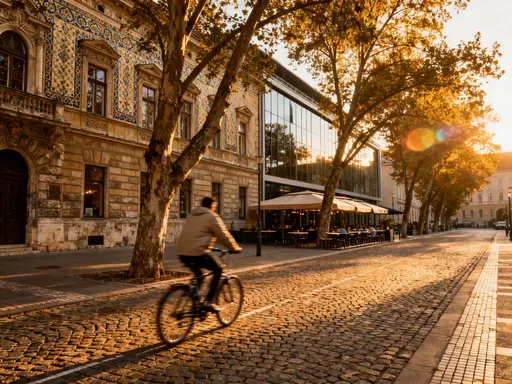
Nestled in Austria’s green heart, Graz blends alpine freshness with culinary creativity like nowhere else. I never expected forest-foraged herbs and hillside vineyards to transform simple dishes into unforgettable experiences. Here, food isn’t just eaten—it’s discovered in meadows, tasted at farmers’ markets, and savored under centuries-old trees. This is where nature doesn’t just inspire the plate—it is the plate. Welcome to Graz, where every bite tells a story rooted in the land.
The Green Soul of Graz – Where Nature Feeds the City
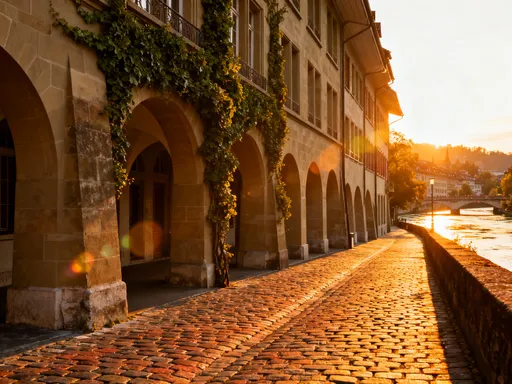
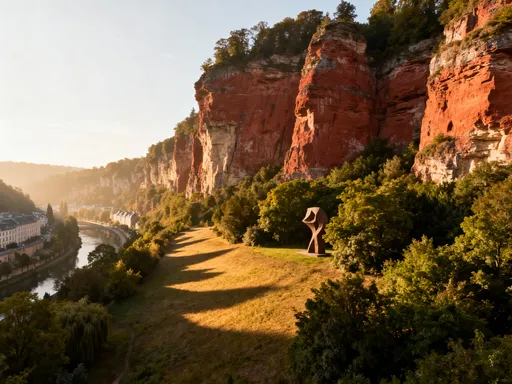
Graz, the capital of Styria, thrives not because of its size, but because of its deep relationship with the surrounding landscape. Unlike urban centers that grow apart from nature, Graz pulses in rhythm with the rolling hills, river valleys, and forested highlands that cradle it. The Mur River, winding through the city like a silken ribbon, does more than provide scenic views—it shapes a unique microclimate that nurtures diverse crops, from crisp apples to aromatic herbs. This symbiosis between city and countryside isn’t accidental; it’s cultivated through generations of respect for the land.
Just beyond the city limits, the hills rise gently into the UNESCO Biosphere Reserve of Southeast Styria, a protected region where sustainable agriculture and biodiversity go hand in hand. Here, farming is not about maximum yield, but about harmony—rotational grazing, organic soil enrichment, and minimal pesticide use are standard practices. The biosphere designation ensures that food production remains ecologically sound, preserving habitats for native plants and animals while supporting small-scale producers. This commitment filters directly into Graz’s kitchens, where chefs proudly list their ingredients’ origins on menus.
The result is a culinary identity shaped by purity and seasonality. Vegetables arrive at markets still dusted with earth, milk comes from cows grazing on wildflower meadows, and honey carries the scent of mountain thyme. Even urban gardens and rooftop beekeeping projects in Graz reflect this green philosophy, turning city spaces into contributors to the regional food web. The city’s food culture isn’t separate from nature—it’s an extension of it, a daily celebration of what the land willingly offers.
From Forest Floor to Fork – Foraging as a Way of Life
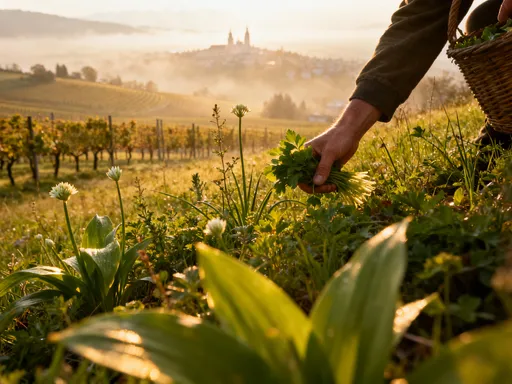
In Styria, the forest is not just scenery—it’s a pantry. Foraging is not a trendy pastime but a deeply rooted tradition, passed down through families who know which moss-covered slopes yield the best mushrooms and which shaded clearings burst with wild garlic each spring. This intimate knowledge transforms walks in the woods into acts of nourishment, where every step might lead to a discovery that enhances a meal.
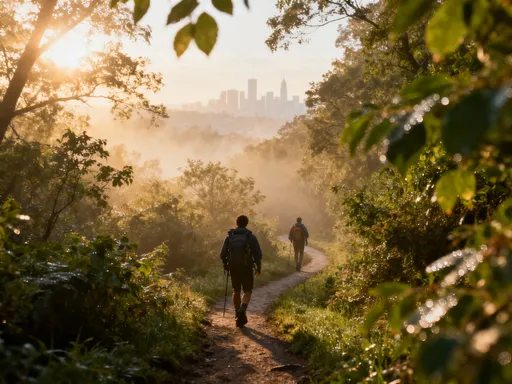
Guided foraging tours near villages like Kalkgruben and Johnsbach offer visitors a safe and educational introduction to this practice. Led by local experts—often lifelong foragers or trained botanists—these excursions emphasize sustainability and respect for ecosystems. Participants learn to identify edible plants such as wood sorrel, sweet cicely, and the prized chanterelle mushroom, all while understanding which species to leave untouched to preserve balance. Safety is paramount; guides teach how to distinguish between similar-looking plants, ensuring no toxic look-alikes end up in a basket.
The philosophy behind Styrian foraging is one of reciprocity. Foragers take only what they need, avoid overharvesting, and often return with seedlings or compost to enrich the forest floor. This mindful approach reflects a broader cultural value: that nature provides abundantly when treated with care. The ingredients gathered—whether delicate wild greens or earthy morels—find their way into soups, sauces, and tarts, adding layers of flavor no cultivated crop can replicate.
More than just a food source, foraging fosters connection—to the land, to seasonal cycles, and to community. It’s common to see families returning from woodland trails with baskets full of treasures, ready to cook together. In this way, the forest becomes a shared kitchen, where tradition and taste grow side by side.
Market Magic at Lend – A Taste of the Terroir
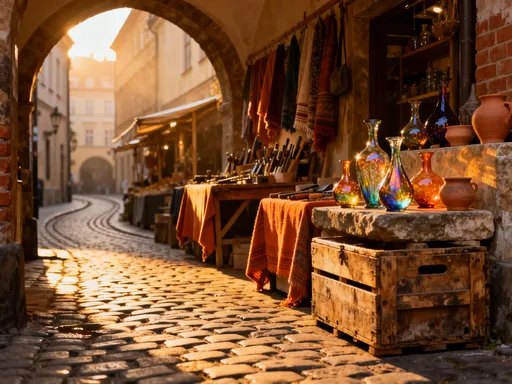
If Graz has a culinary heartbeat, it beats strongest at the Lendwirbel market. Housed in a striking modern building that blends glass and wood, this vibrant hub brings together over fifty regional producers under one roof. From dawn until mid-afternoon, the air hums with conversation, the clink of jars, and the rich aroma of freshly baked bread and ripening cheese. This is not a tourist market with generic souvenirs, but a living showcase of Styria’s agricultural soul.
Stalls overflow with seasonal abundance: plump heirloom tomatoes in summer, knobby kohlrabi in autumn, and crisp radishes in early spring. One vendor displays rows of honey in varying shades—from pale gold to deep amber—each labeled with the flowering plants that shaped its flavor. Another offers raw-milk cheeses made from mountain-grazed cows, their rinds dusted with ash or wrapped in spruce bark. At the oil stand, dark-green pumpkin seed oil glistens in glass bottles, a testament to Styria’s most famous culinary export.
Conversations with vendors reveal a deep sense of pride. A farmer from a nearby organic farm explains how his carrots grow sweeter due to the region’s mineral-rich soil. A woman selling hand-rolled noodles describes how her grandmother taught her to dry them in the mountain breeze. These stories aren’t marketing—they’re truth. Every product has a provenance, a story of soil, weather, and care. Shoppers don’t just buy food; they take home a piece of the landscape.
The market also serves as an educational space. Cooking demonstrations highlight seasonal pairings, such as pumpkin seed oil drizzled over roasted beet salad or wild herbs folded into soft dumplings. Children participate in tasting workshops, learning to identify flavors and textures. For visitors, Lendwirbel is more than a place to eat—it’s a gateway to understanding how food and place are inseparable in Graz.
Styrian Pumpkin Seed Oil – Liquid Gold from the Hills
No ingredient captures the essence of Styrian cuisine quite like pumpkin seed oil. This thick, dark-green elixir, often called “green gold,” is more than a condiment—it’s a cultural emblem. Produced primarily in southern Styria, the oil is made from roasted seeds of oil pumpkins, a variety with thin shells and high oil content. The result is a rich, nutty flavor with a hint of bitterness, transforming even the simplest dish into something extraordinary.
The process begins in late summer, when pumpkins are harvested and their seeds extracted, cleaned, and slowly roasted. The roasting is crucial—it develops the deep, toasty notes that define the oil’s character. At small, family-run mills, the seeds are cold-pressed, preserving their nutritional value and intense aroma. The oil that emerges is not just flavorful but also rich in antioxidants and healthy fats, making it as beneficial as it is delicious.
Terroir plays a surprising role in the oil’s profile. Soil composition, elevation, and sun exposure all influence the final taste. Oils from hillside farms may have a sharper, more complex bite, while those from valley fields tend to be smoother and rounder. This variation encourages connoisseurs to explore different producers, much like wine enthusiasts seek out distinct vintages.
Locals use pumpkin seed oil with reverence and creativity. It’s never cooked at high heat, as that would destroy its delicate compounds. Instead, it’s drizzled over salads, soups, and even vanilla ice cream, where its earthy depth contrasts beautifully with sweetness. A traditional Styrian salad combines potatoes, apples, onions, and hard-boiled eggs, all bound by a dressing of vinegar and a generous swirl of the green oil. For travelers, tasting authentic pumpkin seed oil is not just a culinary experience—it’s a direct connection to the land’s fertility and human ingenuity.
Dining Among the Vines – Restaurants with a View
Dining in Graz’s countryside is as much about the setting as the food. Scattered across the Schilcherland wine region—named for the area’s signature rosé wine—are farm-to-table restaurants perched on sun-drenched slopes, offering panoramic views of vineyards and distant peaks. These establishments are not grand hotels but intimate, family-run inns where the menu changes with the seasons and the chef might greet guests personally.
One such place, nestled in a quiet valley near the village of Ehrenhausen, serves a lunch that embodies Styrian elegance. A starter of smoked trout arrives with a garnish of wild chives and lemon balm, both foraged that morning. The main course features free-range chicken roasted with thyme from the garden and served alongside sautéed forest mushrooms and a creamy polenta made from local cornmeal. Each ingredient has traveled fewer than thirty kilometers to reach the plate.
The ambiance enhances the meal. Guests dine on a wooden terrace shaded by grapevines, listening to the rustle of leaves and the occasional call of a songbird. In autumn, the hills glow amber and gold, and the scent of fermenting grapes drifts from nearby wineries. In spring, cherry blossoms frame the vineyards, and the air carries the freshness of rain-soaked earth. These sensory details are not incidental—they’re part of the dining experience, reminding visitors that food is grown, not manufactured.
Many of these restaurants partner directly with neighboring farms, creating a transparent supply chain. Some even invite guests to tour the gardens or watch the chef prepare dishes in an open kitchen. This closeness to the source fosters trust and appreciation. When a diner learns that the honey on their toast comes from hives just behind the barn, or that the wine in their glass was pressed by the host’s hands, the meal becomes personal, a shared moment of gratitude for the land and its stewards.
Harvest Festivals & Seasonal Rhythms – Eating with the Land
In Graz and its surrounding villages, the calendar revolves around harvests. These are not just agricultural milestones but communal celebrations, moments when the entire region pauses to honor the fruits of the earth. The Styrian Wine Harvest in September is one of the most cherished events, drawing locals and visitors alike to town squares filled with music, dancing, and, of course, wine.
In villages like Leutschach and Sankt Andrä, the festival begins with a procession of winemakers in traditional dress, pulling decorated carts laden with grape clusters. Barrels of new wine are tapped, and guests sample Schilcher rosé straight from the cask, its bright acidity cutting through rich dishes like pork knuckle or cheese strudel. Children ride on vineyard tractors, and elders share stories of past vintages, comparing rainfall patterns and fermentation times like proud historians.
Another highlight is the Kürbiskernöl Festival in southern Styria, held each autumn when the pumpkin harvest is complete. At this lively gathering, small producers showcase their latest batches of oil, offering tastings and demonstrations of the pressing process. Visitors can watch as seeds are roasted and crushed, then see the deep-green liquid emerge, still warm from the press. Cooking stations serve dishes highlighting the oil—pumpkin soup, herb-crusted fish, even oil-swirled desserts.
These festivals do more than celebrate food—they reinforce community bonds and cultural continuity. They remind people that eating is not a solitary act but a shared rhythm, tied to weather, soil, and time. For travelers, attending a harvest festival offers a rare glimpse into authentic rural life, where joy is found not in spectacle, but in the simple abundance of a well-tended land.
How to Eat Like a Local – Practical Tips for Food-Focused Travelers
To truly experience Graz’s culinary culture, travelers should plan their visit around the seasons. Late summer and early autumn are ideal, when markets overflow with ripe produce, foraging yields the most bounty, and festivals bring the region to life. June and July offer lush greenery and wild herbs at their peak, while spring brings tender asparagus and the first wild greens.
Getting to rural producers is easier than many expect. Graz is well-connected by public transportation, and regional buses serve many villages in the biosphere reserve. For greater flexibility, renting a bicycle or e-bike allows visitors to explore at their own pace, combining gentle rides through vineyards with stops at farm stands and roadside stalls. Some agritourism farms even offer guided cycling tours that include tastings and meals.
When shopping, look for labels like “Steirisches Kürbiskernöl” (protected by EU geographical indication) or “Bio” (organic) to ensure authenticity. Avoid mass-produced oils or pre-packaged goods with vague origins. At markets, don’t hesitate to ask vendors about their farming methods—locals appreciate genuine interest and often share tips on preparation.
Foraging should only be done with a certified guide or on marked trails with permission. Never harvest protected species or take more than a small amount. Respect private land and leave no trace. The goal is not to gather food at any cost, but to engage mindfully with nature.
Finally, embrace slowness. Meals in Graz are not rushed. Savor each bite, linger over coffee, and let the landscape speak through its flavors. By eating with intention, travelers don’t just consume food—they become part of a living tradition, one that honors the earth with every season.
In Graz, cuisine is more than sustenance—it’s a dialogue with nature. Every meal becomes an act of connection, rooted in mountains, meadows, and mindful hands. By choosing to eat here with intention, travelers don’t just taste food—they feel the pulse of the landscape itself.