You Won’t Believe What I Found in Prague’s Hidden Markets
Prague isn’t just about gothic spires and historic bridges—its shopping scene is a whole different adventure. I wandered off the tourist trails and stumbled upon markets, boutiques, and local gems I never expected. From hand-blown glass to vintage treasures, the city pulses with creativity. This isn’t your typical mall run—it’s authentic, vibrant, and full of surprises. Let me take you where the locals shop.
Why Prague’s Shopping Scene Stands Out
Shopping in Prague transcends mere commerce—it becomes a quiet celebration of heritage, resilience, and artistry. Unlike the glossy commercialism found in other European capitals, Prague’s retail culture is deeply rooted in centuries-old traditions, where craftsmanship is honored and local identity is proudly displayed in every carved wooden box, hand-stitched textile, and delicately etched crystal. The city’s complex history—marked by imperial rule, artistic flourishing, and quiet resistance—has shaped a culture that values authenticity over mass production. This is evident in how locals approach shopping: not as a transaction, but as a ritual of connection, discovery, and appreciation.
What truly sets Prague apart is its ability to blend the old with the new. While the city preserves its baroque architecture and medieval streets, it simultaneously nurtures a thriving community of contemporary artisans who reinterpret traditional techniques for modern life. You’ll find a ceramicist in a 150-year-old workshop using ancestral glazing methods to create minimalist tableware, or a young designer transforming vintage military uniforms into elegant, upcycled coats. This seamless fusion of past and present gives Prague’s shopping experience a soul that’s hard to replicate elsewhere. It’s not about trends; it’s about timelessness.
Moreover, the city’s shopping culture reflects a broader Czech value: modesty with meaning. Displays are often understated, tucked behind unassuming doors or in quiet courtyards, requiring curiosity to uncover. There’s no pressure to buy—vendors welcome browsing, conversation, and genuine interest. This atmosphere invites visitors to slow down, observe, and engage, making each interaction feel personal and meaningful. Whether you’re holding a hand-painted ornament or listening to a jeweler explain the symbolism behind a folk motif, you’re not just buying an object—you’re taking home a fragment of a living culture.
Navigating the Best Shopping Districts
To truly experience Prague’s shopping landscape, one must venture beyond the postcard-perfect Old Town Square and explore its diverse neighborhoods, each offering a distinct rhythm and retail personality. Pařížská Street, often called the “Golden Mile,” stands as the city’s most elegant shopping corridor. Lined with designer boutiques, luxury watchmakers, and high-end jewelers, it offers a refined atmosphere reminiscent of Paris or Vienna. While undeniably tourist-friendly, it also houses local brands that have earned their place among international names, such as Czech fashion house Aritaria or the timeless glassworks of Lasvit.
Just a short walk away lies Havelské Tržiště, Prague’s oldest covered market, nestled in the heart of the city. Here, the energy shifts dramatically—from polished storefronts to bustling stalls overflowing with fresh produce, dried herbs, honey, and handmade crafts. The air is rich with the scent of smoked cheese and warm bread, and the chatter of vendors haggling in Czech creates a symphony of everyday life. This is where locals come to shop, and it’s one of the best places to observe authentic Prague in motion. Timing your visit early in the morning ensures the freshest selection and fewer crowds.
For a more offbeat experience, the Vinohrady and Žižkov districts offer a refreshing contrast. Vinohrady, known for its leafy avenues and Art Nouveau buildings, is home to a growing number of independent boutiques, concept stores, and artisan cafes. Stores like Pánská 23 or Lásky a Klamství curate a mix of Czech design, vintage finds, and sustainable fashion. Žižkov, once a working-class neighborhood, now thrives as a hub for alternative culture, with pop-up markets, underground galleries, and secondhand shops that attract both creatives and bargain hunters. Public transit is efficient and affordable, with metro and tram lines connecting all major shopping areas, making it easy to explore at your own pace.
When navigating these districts, a few practical tips can enhance your experience. Avoid weekends at popular markets like Havelské, as they can become overcrowded. Mid-week mornings are ideal for a relaxed visit. Learn a few basic Czech phrases—such as “Dobrý den” (hello) and “Kolik to stojí?” (How much does it cost?)—as a sign of respect. And always be mindful of vendor authenticity: if a stall claims to sell “handmade” items but displays identical mass-produced goods, it’s likely a tourist trap. Trust your instincts and seek out stalls with unique, locally crafted pieces.
Must-Visit Markets for Authentic Local Finds
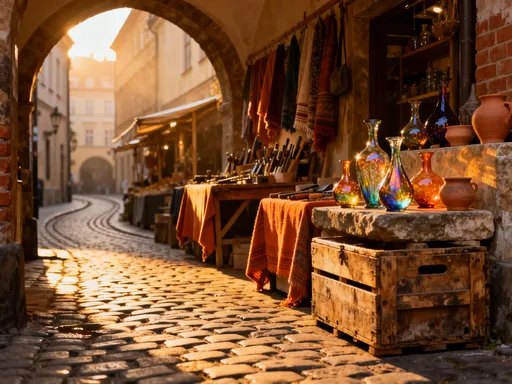
Prague’s markets are more than places to shop—they are living spaces where culture, community, and creativity converge. Among the most beloved is Havelské Tržiště, a covered arcade that has served as a marketplace since the 13th century. Today, it buzzes with energy, offering everything from organic vegetables and wild mushrooms to hand-knitted mittens and Bohemian garnet jewelry. Each stall tells a story: the elderly woman selling dried elderflower syrup harvested from her garden, the woodcarver displaying intricate nativity scenes, the beekeeper offering raw honey in reusable glass jars. The sensory richness—colors, scents, textures—makes this market a favorite for both locals and discerning travelers.
For those drawn to fashion with history, Jiřák Market in the Holešovice district is a must-visit. Held every weekend, this indoor flea market is a treasure trove of vintage clothing, retro accessories, and mid-century homeware. Rows of racks overflow with 1970s leather jackets, 1950s dresses, and Soviet-era memorabilia, all carefully curated by collectors and resellers. The atmosphere is relaxed, with DJs spinning vinyl in the background and coffee vendors serving aromatic brews. Bargaining is expected but done with a smile—start at around 70% of the asking price and negotiate politely. Many visitors come not just to buy, but to soak in the nostalgic vibe and imagine the lives behind each garment.
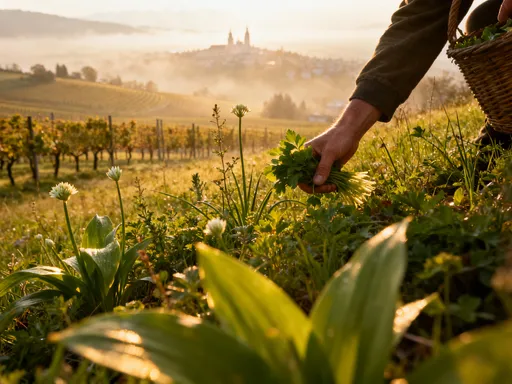
Another gem is the Na Knížecí Farmers’ Market, located near the Vltava River in the Vinohrady district. Open every Saturday, it focuses on organic and regional produce, attracting health-conscious families and food enthusiasts. Stalls showcase seasonal specialties: in spring, wild garlic and asparagus; in autumn, pumpkins, chestnuts, and homemade sauerkraut. Local bakers offer rye bread and koláče—traditional fruit-filled pastries—while cheese makers present creamy sheep’s milk varieties and aged cow’s milk wheels. What makes this market special is its emphasis on sustainability and traceability: vendors proudly display the names of their farms and growing practices. It’s a place where food is not just consumed, but respected.
These markets are not just shopping destinations—they are cultural experiences. They invite you to pause, engage, and appreciate the care behind each item. Whether you’re sipping herbal tea from a wooden cup or examining a hand-embroidered tablecloth, you’re participating in a tradition of craftsmanship and community that has endured for generations. And unlike commercial malls, where everything feels interchangeable, Prague’s markets offer the joy of discovery—the thrill of finding something truly one-of-a-kind.
Where to Buy Czech Crystal and Glass—Without Overpaying
Czech crystal is world-renowned, and for good reason: the region has been a center of glassmaking for over 700 years. The purity of local silica, combined with generations of artisan skill, produces glass of exceptional clarity, weight, and brilliance. But with such fame comes risk—tourists are often sold factory-made imitations at inflated prices, labeled deceptively as “hand-blown” or “Bohemian crystal.” To avoid disappointment, it’s essential to know where and how to shop.
Begin by seeking out small ateliers and family-run studios, particularly in the Malá Strana and Žižkov neighborhoods. These workshops often operate behind unmarked doors or in quiet courtyards, welcoming visitors who show genuine interest. In Malá Strana, studios like Moser or Lasvit offer guided tours where you can watch artisans cut, engrave, and polish glass in real time. Seeing the meticulous process—how a single chandelier can take weeks to complete—deepens appreciation and justifies the investment. These establishments provide authenticity certificates and warranty cards, ensuring your purchase is genuine.
When evaluating a piece, look for subtle signs of handcrafting: slight variations in thickness, tiny bubbles trapped in the glass, and smooth, precise cuts that reflect light in a unique way. Machine-made glass tends to be perfectly uniform and lighter in weight. Price is also an indicator—authentic hand-blown crystal rarely costs less than 1,500 CZK (about $65) for a small item like a wine glass. Be wary of vendors in tourist-heavy areas offering “crystal” souvenirs for 200 CZK; these are almost certainly mass-produced imports.
For a more affordable yet authentic option, consider visiting the Czech Glass Center or regional cooperatives that support independent makers. These organizations ensure fair pricing and quality control, allowing artisans to earn a living while keeping prices reasonable for buyers. You might find stunning vases, decorative bowls, or jewelry at a fraction of luxury boutique prices. And by purchasing directly from the maker or a trusted distributor, you support a tradition that might otherwise fade in the face of industrialization.
Vintage and Secondhand Gems Across the City
Prague’s love affair with vintage is not a trend—it’s a way of life. Decades of economic change, resourcefulness, and cultural pride have cultivated a secondhand culture that is both practical and deeply stylish. In neighborhoods like Žižkov and Holešovice, thrift stores, pop-up markets, and antique shops thrive, offering everything from 1960s leather sofas to vintage Communist-era schoolbooks. The appeal lies not just in affordability, but in the stories these objects carry—the history embedded in their fabric, wood, or paper.
One of the most celebrated spots is the Holešovice Antique Market, held twice a year in a sprawling exhibition hall. Thousands of vendors gather to sell furniture, lighting, clothing, and collectibles, drawing crowds from across Europe. It’s not uncommon to find a mid-century modern armchair next to a 19th-century oil painting or a vintage typewriter from the 1950s. The experience is exhilarating—a treasure hunt where patience and a keen eye are rewarded. Many visitors come prepared with lists, while others simply wander, letting serendipity guide them.
For everyday vintage shopping, smaller stores like Vintage Praha or Retro Prague offer curated selections in intimate settings. These boutiques specialize in high-quality garments—wool coats, silk blouses, tailored suits—often from the 1970s and 1980s. Staff are knowledgeable and happy to share insights about fabric, construction, and care. A well-maintained vintage piece can outlast fast fashion by decades, making it a sustainable and economical choice. Look for natural fibers, strong seams, and timeless cuts—these are the hallmarks of enduring quality.
Beyond clothing, Prague’s secondhand scene includes rare vinyl records, retro kitchenware, and even vintage bicycles. Stores like Bazaar or Pánská 9 host rotating pop-ups, ensuring there’s always something new to discover. For the environmentally conscious shopper, this culture of reuse is not just appealing—it’s inspiring. Every purchase reduces waste and honors the craftsmanship of the past. In a world of disposable goods, finding a perfectly preserved 1970s lamp or a hand-stitched quilt feels like a small act of resistance—and a joyful one at that.
Supporting Local Artisans: From Ceramics to Bookbinding
Behind many of Prague’s most cherished products are the hands of independent artisans—craftspeople who dedicate their lives to preserving and innovating traditional techniques. In Karlín, a revitalized industrial district, ceramic studios like Tvar create hand-thrown pottery using locally sourced clay and wood-fired kilns. Their mugs, plates, and vases bear the subtle imperfections that signal authenticity, each piece unique in shape and glaze. Visitors can book workshops to try their hand at the wheel, gaining firsthand appreciation for the skill involved.
In the Old Town, bookbinding artisans continue a centuries-old practice, crafting journals, photo albums, and custom boxes with hand-tooled leather and marbled paper. Workshops like Knihařství Staré Město operate quietly, their doors marked only by a small sign. Inside, the scent of glue and parchment fills the air as artisans repair antique books or create new ones using traditional methods. These books are not just functional—they are heirlooms, meant to be passed down through generations.
Other crafts thrive in hidden corners: a woodworker in Smíchov carving spoons from fallen trees, a textile artist in Vysočany weaving tapestries inspired by folk patterns, a perfumer in Holešovice blending scents using Czech herbs and flowers. These makers rarely advertise; they rely on word of mouth, local fairs, and occasional pop-up events. Finding them requires curiosity—asking questions at markets, following Czech design blogs, or joining walking tours focused on craftsmanship.
Supporting these artisans does more than yield a beautiful object—it sustains a cultural legacy. In an age of automation and mass production, their work is a testament to patience, precision, and passion. When you buy from them, you’re not just a customer; you’re a participant in a living tradition. And the items you take home—whether a hand-bound notebook or a hand-thrown bowl—carry not just aesthetic value, but emotional and historical resonance.
Smart Shopping Tips: Payments, Returns, and Seasonal Sales
To make the most of your shopping experience in Prague, a few practical considerations can make a big difference. First, understand the city’s shopping hours: most stores open between 9:00 and 10:00 a.m. and close by 6:00 or 7:00 p.m., with many smaller shops closed on Sundays. Larger malls and tourist areas may stay open later, but local markets and independent boutiques follow traditional schedules. Planning your visits accordingly ensures you don’t miss out.
When it comes to payment, credit and debit cards are widely accepted, especially in established stores and markets. However, smaller vendors, particularly at flea markets or rural stalls, often prefer cash. It’s wise to carry a mix of Czech crowns (CZK), as foreign cards may incur fees and not all machines support contactless payments. ATMs are plentiful and reliable, but avoid those in high-traffic tourist zones, which may have higher withdrawal fees.
Tourists from outside the EU can claim a VAT refund on eligible purchases, typically those over 2,000 CZK (about $85) from participating stores. Look for the “Tax Free” or “Global Blue” stickers in shop windows. After purchasing, ask for a refund form, have it stamped at customs upon departure, and receive your refund via card, cash, or PayPal. While the process takes time, it can result in savings of up to 15%, making high-value items like crystal or ceramics more affordable.
Timing your visit around major sales periods can also yield significant benefits. Black Friday, though a relatively new phenomenon, is now widely observed, with discounts in both physical and online stores. Even more valuable is the post-Christmas clearance in early January, when retailers reduce prices to make room for new inventory. Summer months, particularly July and August, often feature seasonal sales in fashion and homeware. However, be cautious of misleading labels—some items marked “handmade” or “artisan” may be imported or machine-made. When in doubt, ask about the origin and production method. A genuine artisan will gladly explain their process.
Finally, remember that shopping in Prague is not a race. The best finds often come from slowing down, building rapport with vendors, and returning to a stall after a second thought. It’s about connection as much as consumption. With awareness, respect, and a bit of patience, your shopping journey becomes a meaningful part of your travel story.
Conclusion
Shopping in Prague is more than a transaction—it’s a journey into the heart of Czech culture. Every purchase tells a story, supports a craftsperson, and carries a piece of history. With the right approach, your finds become lasting memories. So step off the main squares, follow the locals, and let Prague surprise you.