Lost in the Jungle Magic of Paramaribo
You know what? Paramaribo isn’t just a city — it’s a gateway to another world. I never expected to find such raw, untouched nature in a capital. Towering rainforest canopies, whispering mangroves, and rivers that glow at sunset — this place feels like nature’s best-kept secret. If you're craving real immersion in natural beauty, Suriname’s heart will blow your mind. Far from the crowded tourist trails of the Caribbean and South America, Paramaribo offers something rare: a capital city where the wild is not preserved behind glass or locked in national parks, but alive, breathing, and interwoven into everyday life. Here, urban rhythms meet jungle silence in a delicate balance that invites deep reflection and quiet wonder.
First Impressions: Where City Meets Wild
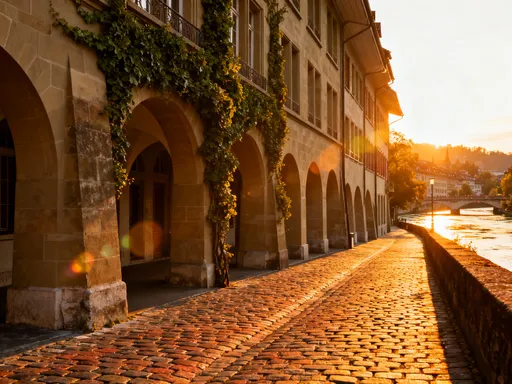
Visitors to Paramaribo often arrive with expectations shaped by other tropical capitals — bustling streets, concrete sprawl, and nature held at bay. What they discover instead is a city that refuses to wall itself off from the wilderness. Within minutes of stepping off the plane, one can feel the humid breath of the rainforest mingling with the salty breeze from the Atlantic. The historic center, a UNESCO World Heritage site, is a graceful ensemble of 18th and 19th-century Dutch colonial buildings with wooden facades painted in soft ochres, deep greens, and creamy whites. Yet even here, nature asserts itself: tree roots crack through sidewalks, vines climb brick walls, and parrots shriek from treetops just beyond the market square.
This seamless blend of urban and wild is not accidental but deeply rooted in the city’s geography and culture. Paramaribo sits on the northern edge of South America’s vast Guiana Shield, a region of ancient rock formations and some of the most pristine rainforests on Earth. The city’s layout follows the contours of the Suriname River, which flows like a silver ribbon into the Atlantic. Neighborhoods taper off into green belts, and beyond the outer edges, the jungle takes over completely. Unlike cities that push nature outward, Paramaribo embraces it, allowing rivers, forests, and wetlands to shape its identity.
The contrast is most striking in places like the Waterkant, a scenic boulevard running along the riverbank. By day, civil servants sip coffee at open-air cafes, their conversations underscored by the lapping of waves. By dusk, the river transforms — its surface turns molten gold, reflecting the sky and the silhouettes of fishing boats drifting home. It’s common to see egrets stalking the shallows or a caiman slipping silently into the water near the banks. These moments aren’t staged for tourists; they are part of daily life. For the women who sell fruit by the roadside or the children playing soccer in a grassy square, the presence of wildlife is as natural as the sunrise.
Into the Green: Exploring the Paramaribo Botanical Garden
Established in 1880, the Paramaribo Botanical Garden is more than a scenic retreat — it is a living archive of Suriname’s extraordinary biodiversity. Spanning over 37 hectares, the garden was originally created for agricultural research during the colonial era, but today it serves as a sanctuary for both people and plants. As you walk beneath the canopy of a 150-year-old mora tree, its massive buttress roots spreading like stone waves across the forest floor, you begin to understand the depth of time that shapes this landscape. The air is cooler here, thick with the scent of damp earth and blooming jasmine.
The garden is home to over 500 species of native plants, including rare orchids that bloom only once a year and medicinal herbs used in traditional Winti healing practices. Boardwalks wind through swampy zones where bromeliads cling to tree trunks and dragonflies dart above pools of still water. Interpretive signs, though modest, offer insights into the ecological roles of different species — how certain trees support entire micro-ecosystems, or how specific plants are used to treat fevers, skin conditions, or digestive issues. This educational aspect makes the garden especially valuable for families and school groups, many of whom visit on weekends to learn while enjoying a peaceful escape from the city’s pace.
What sets this garden apart from similar spaces in other countries is its integration into community life. It is not a curated spectacle but a shared space where relaxation and reverence for nature go hand in hand. Elderly couples stroll along shaded paths, mothers watch toddlers chase butterflies, and students sit beneath broad-leaved plants with notebooks in hand. There are no loudspeakers, no commercial vendors, no intrusive developments — just the rustle of leaves and the occasional call of a trogon or toucan. In this way, the garden functions as a quiet teacher, reminding visitors that nature is not something to conquer or control, but to coexist with.
For women in their 30s to 50s — often the keepers of household well-being and family routines — the Botanical Garden offers a rare kind of restoration. It is a place where one can pause, breathe deeply, and reconnect with the rhythms of the natural world. Whether walking alone at sunrise or sharing a picnic with loved ones, the experience feels both grounding and uplifting. In a world that often demands constant productivity, this garden stands as a gentle rebuttal: growth takes time, and stillness has its own kind of power.
River Escape: A Journey Along the Suriname River
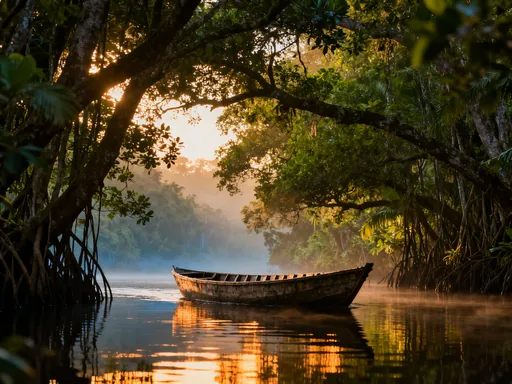
The Suriname River is the city’s liquid spine, connecting past and present, urban and remote. For centuries, it has served as a vital transportation route, carrying goods, people, and stories between Paramaribo and the interior villages. Today, short excursions along its winding course offer one of the most accessible ways to experience the region’s natural splendor. Local boat operators, many of whom have spent their lives on the water, welcome small groups onto wooden vessels powered by outboard motors. As the city fades behind you, the river narrows, flanked by dense stands of red mangrove whose tangled roots form nurseries for fish and crustaceans.
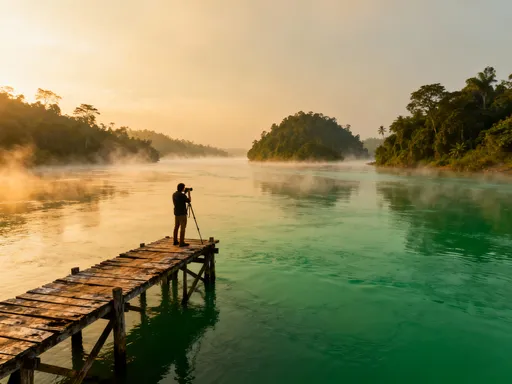
One of the most magical times to travel is at dawn, when a silver mist hovers just above the water’s surface. Herons stand motionless in the shallows, waiting to spear their prey, while kingfishers flash like blue sparks between branches. The silence is profound — broken only by the soft lap of waves against the hull and the distant cry of a howler monkey echoing from the far bank. Boat captains often speak in hushed tones, as if not to disturb the peace. Some share stories passed down through generations: of river spirits said to protect certain bends, of medicinal plants gathered from the banks, or of the elusive Amazonian manatee that occasionally surfaces in the deeper pools.
Further south, the landscape shifts into flooded forest — a unique ecosystem where trees grow in standing water for months each year. These forests, known locally as “wigbois,” are rich in biodiversity. Orchids and ferns cling to high branches, while capybaras sometimes graze on floating vegetation near the edges. With luck, travelers may spot a group of pink river dolphins — smaller and more agile than their ocean cousins — gliding through the murky water. These animals hold deep cultural significance for Maroon communities, descendants of escaped enslaved Africans who established independent societies in the interior. Dolphins are often seen as messengers or protectors, their presence considered a good omen.
Trips often include stops at small riverside villages, where guests are welcomed with warm smiles and cups of fresh coconut water. Women in brightly colored dresses prepare meals over open fires, while elders sit in shaded verandas, weaving baskets or repairing fishing nets. These visits are not performative; they are genuine exchanges rooted in hospitality. Travelers are invited to taste cassava bread, learn about traditional fishing techniques, or walk through community gardens where yams, plantains, and peppers thrive in rich, dark soil. These moments of connection deepen the journey, transforming it from sightseeing into meaningful engagement.
Rainforest at the Doorstep: Brownsberg Nature Park
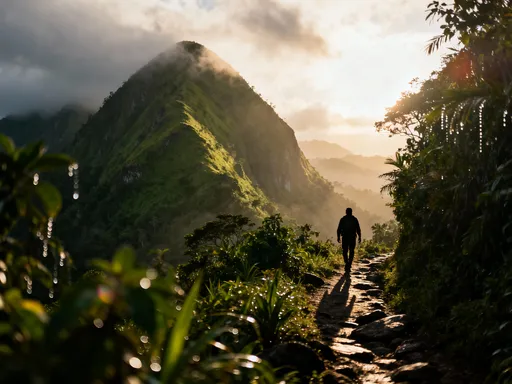
Just two and a half hours from Paramaribo lies Brownsberg Nature Park, a crown jewel of Suriname’s protected areas. Nestled within the Brokopondo District, this 12,000-hectare reserve offers one of the most rewarding rainforest experiences in the region — accessible enough for day trips, yet remote enough to feel truly wild. The park centers around the Voltzberg, a dramatic granite dome that rises abruptly from the forest floor. Hiking to its summit takes about 45 minutes, but the reward is unparalleled: a 360-degree panorama of endless green, stretching as far as the eye can see. On clear days, the Brokopondo Reservoir shimmers in the distance like a vast inland sea.
Trails through the park are well-marked but intentionally rustic — wooden steps, rope handrails, and minimal signage preserve the sense of adventure. Along the way, visitors pass towering kapok trees, their trunks wrapped in lianas, and listen for the haunting call of the howler monkey. Troops of black spider monkeys swing through the canopy, while agoutis and armadillos scurry through the underbrush. Birdwatchers delight in sightings of the Guianan cock-of-the-rock, scarlet macaws, and the elusive harpy eagle, one of the most powerful raptors in the Americas.
The park is also home to several waterfalls, the most famous being the Voltzberg Falls. Fed by seasonal rains, the cascade tumbles down moss-covered rocks into a clear pool perfect for a refreshing swim. Families often spend hours here, children laughing as they jump from low ledges while adults relax on sun-warmed boulders. The water is cool but not cold, and the surrounding forest amplifies every sound — the rush of the fall, the buzz of cicadas, the laughter of fellow travelers. These shared moments create a sense of communal joy, especially for mothers and daughters or groups of friends seeking a break from routine.
For those who wish to stay longer, the park offers basic eco-lodges and guided night walks. After dark, the forest transforms. Fireflies flicker like stars in the understory, while bioluminescent fungi glow faintly on rotting logs. Guides point out nightjars, potoos, and tree frogs with vibrant calls that echo through the trees. These experiences are not designed for thrill-seeking but for deepening awareness — of how much life exists beyond daylight, and how little we often notice. Brownsberg does not dazzle with extravagance; it humbles with presence.
Urban Nature: Green Spaces Woven into Daily Life
In many cities, green spaces are carefully designed and maintained — manicured lawns, flower beds, and fenced parks. In Paramaribo, nature is less controlled, more participatory. Backyards are not for decoration but for sustenance. It’s common to see homes surrounded by banana plants, mango trees heavy with fruit, and neatly arranged rows of vegetables. Soursop, papaya, and rose apple grow with little intervention, their harvest shared among neighbors or sold at local markets. This integration of food production into residential life reflects a deep-rooted tradition of self-reliance and respect for the land.
Even in densely populated neighborhoods, small gardens appear in unexpected places — on rooftops, beside sidewalks, in abandoned lots. These are not ornamental but functional, often managed by women who understand the value of fresh, homegrown food. In the Wanica region, just outside the city, small-scale farming is a way of life. Families cultivate cassava, sweet potatoes, and herbs using traditional methods passed down through generations. Rainwater is collected in barrels, compost is made from kitchen scraps, and crop rotation is guided by seasonal knowledge rather than calendars. This close relationship with the soil fosters a sense of stability and purpose, especially for women who manage both household and harvest.
The city’s markets reflect this connection. At the Central Market, stalls overflow with tropical fruits, roots, and freshly caught fish. Vendors call out prices in Sranan Tongo and Dutch, their tables shaded by wide umbrellas. Pineapples sit beside baskets of taro, while bundles of medicinal herbs — like lemon grass, fever bush, and cat’s claw — are sold for home remedies. For many women, shopping here is not just a chore but a social ritual, a chance to exchange recipes, parenting tips, and neighborhood news. The market is alive with color, scent, and sound — a true celebration of abundance.
This everyday integration of nature into urban life offers a powerful model for sustainable living. It shows that environmental stewardship does not require grand gestures or expensive technologies. Instead, it grows from small, consistent actions — planting a seed, saving a scrap, sharing a harvest. In a world increasingly disconnected from the sources of our food and energy, Paramaribo reminds us that resilience begins at home.
Conservation and Community: Protecting Paramaribo’s Wild Soul
Despite its beauty, Suriname faces real environmental challenges. Deforestation, driven by logging and mining, threatens fragile ecosystems. Climate change brings unpredictable rainfall and rising sea levels that affect coastal communities. Yet, in response, a quiet but determined movement has taken root. Local NGOs, indigenous organizations, and community leaders are working together to protect the country’s natural heritage. In and around Paramaribo, sustainable tourism has become a key strategy — not as a luxury trend, but as a means of economic empowerment and ecological preservation.
Eco-lodges operated by Maroon and Indigenous communities offer guided hikes, river tours, and cultural demonstrations that directly benefit local families. These programs are designed with care — small group sizes, low-impact infrastructure, and educational components that foster respect. Travelers learn not just about plants and animals, but about the history and values of the people who have lived in harmony with this land for centuries. Women often play central roles in these initiatives, managing guesthouses, preparing traditional meals, and leading craft workshops that teach weaving, dyeing, and storytelling.
Schools in Paramaribo are also embracing environmental education. Students participate in tree-planting campaigns, waste reduction projects, and field trips to nature reserves. Teachers emphasize the importance of protecting watersheds, preserving medicinal plants, and understanding the role of forests in regulating climate. These lessons go beyond textbooks — they are lived experiences that shape a new generation’s relationship with the Earth. For mothers watching their children grow, this gives hope: that the values of care, balance, and respect will be carried forward.
Government agencies collaborate with international partners to strengthen protected areas and monitor biodiversity. Satellite imaging, community patrols, and scientific research help track changes in forest cover and species populations. While challenges remain, the commitment to balance development with conservation is evident. Suriname has pledged to keep at least 93% of its land under forest cover — one of the most ambitious environmental goals in the world. This is not empty rhetoric but a reflection of national identity. For many Surinamese, the forest is not just a resource — it is a relative, a teacher, a home.
Why This Immersion Matters: Reconnecting with the Natural World
In a world dominated by screens, schedules, and constant noise, Paramaribo offers a rare gift: the chance to slow down and truly listen. This kind of travel does not revolve around ticking off attractions or capturing perfect photos. It is about presence — feeling the humidity on your skin, smelling the petrichor after a sudden rain, watching sunlight filter through layers of green. It is about realizing that you are not separate from nature, but part of it.
For women who carry the weight of family, work, and community, this reconnection is not a luxury — it is a necessity. Time in nature restores clarity, reduces stress, and reignites a sense of wonder. Whether walking through the Botanical Garden, floating down the Suriname River, or standing atop the Voltzberg, one gains perspective. The problems that once felt overwhelming begin to shrink in the face of such vast, enduring beauty.
Paramaribo teaches us that cities and wilderness do not have to be opposites. They can coexist, not in conflict, but in conversation. The jungle does not need to be tamed to be valued; it can thrive alongside homes, markets, and schools. This balance is not perfect, but it is possible — and deeply inspiring.
So if you are seeking a journey that nourishes the soul, consider Paramaribo. Let the river carry you, the trees shelter you, and the silence speak to you. In this quiet corner of the world, nature is not a destination — it is a way of life. And sometimes, that is exactly what we need to remember who we are.