You Won’t Believe What Bodrum’s Cityscape Just Revealed
Bodrum, Turkey, isn’t just about beaches and boats—it’s a city where whitewashed buildings climb sun-drenched hills, wind-swept alleys whisper history, and the Aegean sparkles beneath a maze of terracotta roofs. I never expected its cityscape to hit me so hard. This is more than a vacation spot; it’s a living postcard where ancient vibes meet modern charm. Let me take you through the heartbeat of a coastal gem that surprises at every turn.
First Glimpse: The Hillside Palette That Takes Your Breath Away
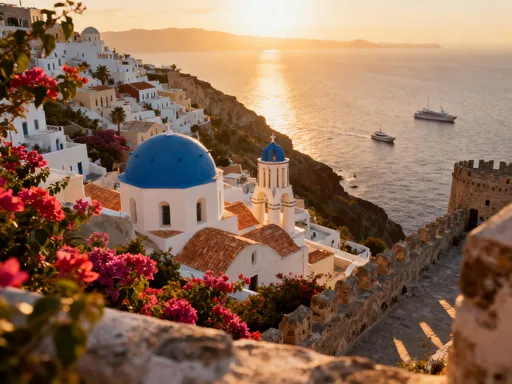
Arriving in Bodrum for the first time, the view from the upper paths near the Castle of St. Peter stops you in your tracks. The city unfolds like a hand-painted canvas, layered across rolling hills that tumble toward the sea. White buildings cling to the slopes, their walls glowing under the Mediterranean sun, while red-tiled roofs form a patchwork quilt stretching to the horizon. Blue domes—soft cerulean, deep cobalt—dot the skyline like scattered sapphires, their cool tones contrasting with the warmth of the terracotta and stone. Below, the Aegean Sea stretches endlessly, shifting from deep navy to shimmering turquoise where it meets the shore.
It’s not just the color that stuns—it’s the harmony. The way light dances across the facades in the early morning, casting long shadows over narrow lanes, gives the city a dreamlike quality. The air carries a subtle blend of sea salt, sun-warmed stone, and the occasional hint of jasmine blooming behind a courtyard wall. There’s a quiet hum beneath it all—the distant chime of a church bell, the rustle of olive trees in the breeze, the faint echo of footsteps on stone. This first impression isn’t just visual; it’s sensory, emotional, almost spiritual. You feel, instantly, that you’ve entered a place shaped by time, taste, and tradition.
What makes this moment so powerful is its authenticity. Unlike destinations that feel curated for tourists, Bodrum’s beauty feels lived-in. The houses aren’t replicas; they’re homes, many passed down through generations. The uneven rooftops, the slight tilts in the walls, the hand-painted signs above doorways—all speak of a place that evolved naturally, not one designed for postcards. And yet, it is postcard-perfect. That balance—between raw charm and visual delight—is what makes Bodrum’s cityscape unforgettable from the very first glance.
The Heartbeat of the Harbor: Where History Meets the Present
If the hillside view is the soul of Bodrum, the harbor is its pulse. Nestled in a deep, sheltered bay, the waterfront is where centuries converge. At its center stands the Castle of St. Peter, a 15th-century fortress built by the Knights of Rhodes, its stone towers rising with quiet dignity above the marina. The contrast is striking: medieval walls stand guard over a vibrant, living port where wooden caiques bob beside sleek yachts, their sails catching the afternoon light. This is not a museum piece—it’s a working harbor, alive with fishermen mending nets, captains checking rigging, and vendors unloading crates of fresh fish.
Along the promenade, cafes spill onto the cobblestones, their tables filled with locals sipping Turkish tea and travelers sketching the view. Street musicians play soft melodies on oud and violin, their music blending with the gentle lapping of waves. Children chase each other near the water’s edge, while elders sit on stone benches, watching the world go by. There’s a rhythm here—a daily dance of commerce, leisure, and community—that feels both timeless and refreshingly real.
What sets Bodrum’s harbor apart is its balance. It welcomes luxury tourism without surrendering to it. You’ll see high-end boutiques and designer restaurants, yes, but they exist alongside family-run fishmongers, small boat repair shops, and open-air markets selling handmade soaps and linens. The city hasn’t paved over its character to make room for glamour; instead, it’s woven modern life into its historic fabric. The result is a harbor that feels inclusive, dynamic, and deeply authentic—a place where history isn’t just preserved; it’s lived.
Wandering the White Maze: Streets That Tell Stories
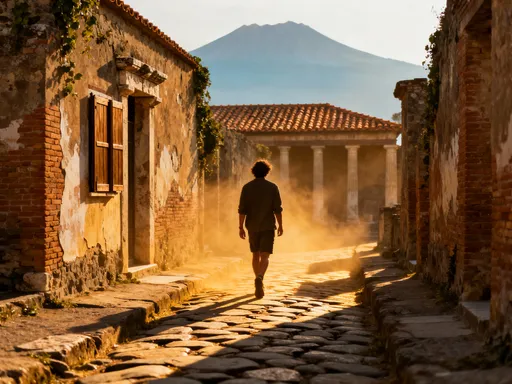
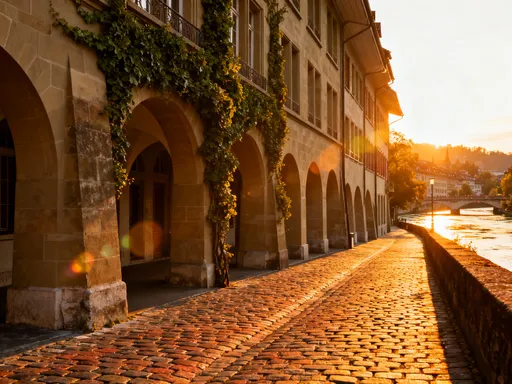
Step away from the harbor, and Bodrum reveals its most enchanting layer: the labyrinth of narrow streets that weave through the old town. These aren’t roads built for cars; they’re pathways shaped by centuries of foot traffic, winding like veins through the heart of the city. The ground is uneven—smooth stone worn by time, cobblestones polished by rain and footsteps. Arches frame sudden vistas, doorways open into hidden courtyards, and every turn offers a new discovery.
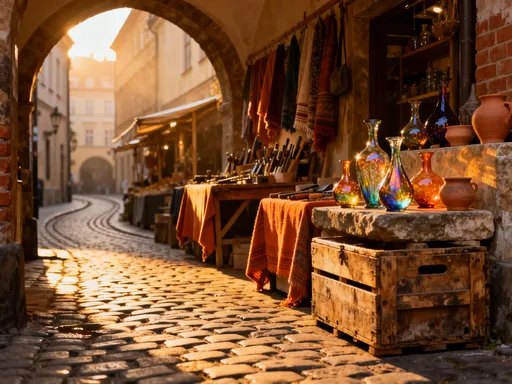
Walking these alleys is like flipping through the pages of a well-loved book. One moment, you’re shaded by overhanging vines; the next, you’re bathed in sunlight as the street opens to a breathtaking view of the sea. Bougainvillea spills over whitewashed walls in bursts of magenta and coral, their petals drifting onto the ground like confetti. Small shops line the way—family-run boutiques selling hand-embroidered tablecloths, ceramicists displaying glazed bowls, apothecaries with jars of dried herbs and local honey. There’s no rush here. Time slows. You’re meant to wander, to pause, to look up.
Getting lost is not only possible—it’s encouraged. GPS fails in these alleys, and that’s part of the magic. Without the pressure of navigation, you begin to notice what you’d otherwise miss: the pattern of a wrought-iron gate, the sound of a fountain in a private garden, the scent of baking bread from a hidden bakery. Locals greet you with a smile, not because they expect a sale, but because this is how they live—open, present, connected. In these streets, Bodrum reveals itself not as a destination, but as a way of life—one measured in quiet moments, small wonders, and the pleasure of simply being.
Above the Rooftops: Why Sunset Spots Are Non-Negotiable
To know Bodrum fully, you must see it from above. While the ground-level charm is undeniable, the city’s true poetry unfolds at eye level with the sky. Rooftop terraces—some belonging to modest family homes, others to intimate cafes and boutique hotels—offer panoramic views that transform the ordinary into the extraordinary. As the sun begins its descent, the light softens, gilding the rooftops and setting the sea ablaze with reflections.
One of the most peaceful vantage points is a quiet staircase tucked between two old houses, known only to locals. From here, you can watch the sun dip behind the island of Kos, its silhouette fading into a sky painted in rose, amber, and lavender. The city below shifts into evening mode: lanterns flicker on, the hum of conversation rises from the streets, and the first stars appear above the castle towers. In that moment, the layout of Bodrum makes sense—the way the hills cradle the harbor, how the alleys spiral outward like a shell, how every building seems to lean toward the water.
These elevated perspectives do more than offer pretty views; they deepen your connection to the place. You begin to understand Bodrum not as a collection of sights, but as a living organism with rhythm and structure. The rooftops, with their terracotta tiles and satellite dishes, solar panels and potted herbs, tell a story of continuity and adaptation. They belong to people who live here, who wake to this view every morning, who sip tea as the light changes. To stand among them is to feel, briefly, like you’re part of that life—not just a visitor, but a witness to something beautiful and enduring.
Modern Touches in an Ancient Shell
Bodrum’s charm isn’t frozen in time. While its architecture and layout remain deeply rooted in tradition, the city has embraced contemporary life with quiet confidence. This isn’t a place where modernity clashes with heritage; instead, it blends seamlessly, like a new thread woven into an old tapestry. Art galleries display abstract paintings beside traditional ceramics. Boutique hotels, designed with minimalist elegance, occupy restored stone houses. Open-air design markets showcase local craftsmanship—handwoven baskets, linen garments, olive wood carvings—alongside modern interpretations of Anatolian patterns.
What’s remarkable is how these modern elements respect their surroundings. New buildings follow the old rules: white walls, low profiles, tiled roofs that echo the past. Even contemporary signage tends to be understated, often hand-painted or carved into stone. There’s a conscious effort to preserve the city’s visual harmony, ensuring that progress doesn’t come at the cost of character.
This balance extends to daily life. Young designers sip coffee in courtyard cafes, sketching ideas on tablets. Families gather in public squares for evening walks, passing by installations of light art during summer festivals. Wi-Fi is everywhere, but so are handcrafted goods and face-to-face conversations. Bodrum doesn’t reject the present; it integrates it. The result is a city that feels both timeless and current—a place where tradition isn’t a performance, but a foundation for thoughtful evolution.
Beyond the Postcard: The Working Side of the Cityscape
For all its beauty, Bodrum’s true depth lies in its everyday life. Beyond the picture-perfect alleys and sunlit terraces, the city functions. Fishermen unload their morning catch at the bustling market near the pier, their nets heavy with sea bass and sardines. Bakeries open before dawn, filling the air with the scent of freshly baked simit and pide. In small workshops tucked behind unmarked doors, artisans repair fishing boats, weave rugs, or forge metal gates by hand.
These spaces aren’t hidden because they’re shameful; they’re overlooked because they’re ordinary. Yet, they are essential to Bodrum’s identity. The fish market isn’t just a source of food—it’s a social hub, where prices are negotiated with laughter, where news is exchanged over crates of octopus. The local bakery isn’t a tourist attraction, but a neighborhood institution, where children are handed warm rolls by smiling bakers. These moments of functional beauty—unstaged, unfiltered—add texture to the city’s story.
When travelers take the time to notice these details, their experience shifts. They move from observer to participant. They begin to see Bodrum not as a backdrop, but as a community. They understand that its charm isn’t just in the views, but in the way life unfolds—slowly, deliberately, with pride and care. This awareness transforms a vacation into something more meaningful: a quiet appreciation for how beauty and utility can coexist, how a place can be both stunning and real.
How to Truly See Bodrum: A Traveler’s Mindset Shift
To truly see Bodrum, you must slow down. Put away the checklist. Resist the urge to photograph every corner. Instead, arrive early in the morning, when the streets are cool and the light is soft. Walk without a map. Let the city guide you. Sit at a local cafe and order tea, not because you’re thirsty, but because you want to watch the rhythm of the neighborhood unfold. Smile at the shopkeeper. Accept the invitation to taste a piece of homemade lokum. These small acts open doors that no guidebook can.
Visit in the late afternoon, when the heat fades and families begin to gather. Walk the harbor as the fishing boats return. Listen to the stories of the older men playing backgammon by the water. Climb the quiet staircases that lead to hidden viewpoints. Breathe in the scent of the sea mixed with grilled fish and wild thyme. Let the colors, sounds, and silences settle into your memory.
Bodrum’s cityscape is not just something to be seen. It’s something to be felt. It’s in the way the light changes on a whitewashed wall, the way a child laughs in an alley, the way the wind carries the sound of church bells across the bay. It’s in the quiet pride of a place that honors its past while living fully in the present. To experience it deeply is to carry a piece of that feeling home—not as a souvenir, but as a quiet reminder that beauty, when rooted in authenticity, has the power to move us in ways we never expect.