You Won’t Believe These Hidden Districts in Pompeii
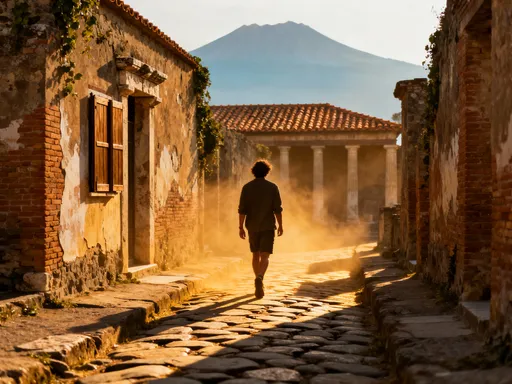
When most people think of Pompeii, they picture ruins frozen in time—but there’s way more beneath the surface. I wandered beyond the main sites and discovered distinct city districts, each with its own vibe and story. From residential streets to ancient market corners, Pompeii feels startlingly alive. This isn’t just a history lesson—it’s a real place that once pulsed with daily life, and you can still feel it today. Walking its cobblestone paths, you’re not merely observing the past; you’re stepping into a world where families cooked meals, children played, and merchants called out their wares. The tragedy of Mount Vesuvius preserved not just buildings, but the rhythm of an entire city. And for the thoughtful traveler, understanding Pompeii’s hidden districts transforms a standard tour into a profound journey through time.
The Heart of Ancient Life: Pompeii’s Regio System
Pompeii was not a chaotic sprawl but a carefully planned urban center divided into numbered regions known as *regiones*, each further segmented into *insulae* (city blocks) and *vici* (streets). This systematic layout, established during the Roman urban reform period, allowed for efficient governance, commerce, and social organization. Modern visitors benefit greatly from understanding this structure, as it reveals patterns in wealth distribution, public infrastructure, and daily routines. For instance, districts closer to the Forum tended to house wealthier citizens and public institutions, while outer regions accommodated workshops, markets, and modest homes. The regio system wasn’t arbitrary—it reflected a society that valued order and functionality.
Travelers often follow the main tourist trail from the Forum to the Amphitheater, missing the subtleties of Pompeii’s urban design. By consulting the official site map—which clearly marks each regio—visitors can trace social hierarchies through architecture. Regio I, for example, features dense commercial activity, while Regio IX reveals spacious villas and private gardens. This contrast speaks volumes about class distinctions in ancient Roman life. Moreover, recognizing the regio divisions helps manage time efficiently during a visit. Knowing that Regio VI is just a ten-minute walk from the Stabian Gate allows for a more deliberate itinerary, avoiding the fatigue of aimless wandering.
The regio system also aids in appreciating Pompeii’s resilience and adaptability. After the earthquake of 62 CE, much of the city was rebuilt with improved drainage, stronger walls, and updated floor plans—all within the existing grid. This continuity shows how urban planning endured even through disaster. For modern families exploring the site, understanding these divisions turns a casual walk into an educational experience, especially for children who can play a ‘district detective’ game, identifying features unique to each area. The regio framework is not just academic—it’s a practical tool for deeper engagement.
Regio VI: Where Daily Life Felt Most Real
If any district captures the essence of ordinary Pompeian life, it is Regio VI. Nestled between the繁华商业区 and the quieter residential zones, this region offers an intimate glimpse into how most citizens lived. Rows of modest homes, family-run shops, and public laundries line the narrow streets, their walls still bearing faded frescoes and graffiti. One of the most striking features here is the House of the Vestals, a spacious residence believed to have housed priestesses of Vesta. Its central atrium, surrounded by living quarters and a small garden, reflects a balance between public duty and private comfort. The house’s preserved hearth—once kept perpetually burning—hints at the spiritual rhythms that governed daily life.
Nearby, the fullonica, or ancient laundry, stands as a testament to the city’s bustling service economy. These facilities used urine (collected from public urinals) and natural bleaching agents to clean woolen garments—a practice that might seem unusual today but was standard in Roman times. The building’s large vats and drying racks remain intact, allowing visitors to visualize the labor-intensive process. What makes Regio VI especially compelling is its authenticity; unlike more restored areas, many structures here appear as they were found, with crumbling walls and exposed foundations that evoke the passage of time. This rawness adds emotional depth, reminding us that real families once filled these spaces with laughter, arguments, and routines.
For visitors, Regio VI is best explored in the late morning, shortly after the first wave of tour groups moves toward the Amphitheater. This timing allows for quieter contemplation and better photo opportunities. A recommended route begins at the Forum, follows Via dell’Abbondanza eastward, and turns south into Regio VI. Comfortable walking shoes are essential, as the original volcanic stone paving can be uneven. Families may appreciate bringing a small notebook to sketch details like door knockers shaped like lions or mosaic thresholds depicting mythological scenes. These personal touches make the past feel immediate and relatable, especially for younger travelers.
Regio I: The Commercial Pulse of Pompeii
Regio I served as the economic engine of Pompeii, a vibrant district teeming with thermopolia, bakeries, and artisan workshops. Thermopolia—ancient equivalents of fast-food counters—were scattered throughout the area, recognizable by their semicircular service counters with embedded terracotta jars. These *dolia* once held hot food like lentil stew, wine, and olive oil, ready for quick meals. Archaeologists have even uncovered preserved loaves of bread in nearby bakeries, their shapes and scoring patterns nearly identical to modern sourdough. The sheer number of such establishments indicates a society that valued convenience and communal eating, much like today’s urban centers.
One of the most well-preserved thermopolia in Regio I features vivid frescoes on its walls, depicting animals, deities, and even a painted price list. Such details suggest that branding and customer appeal mattered even in antiquity. Nearby, a bakery with a still-intact millstone offers insight into grain processing. The large donkey-powered mechanism, worn down by years of use, stands as a silent witness to the physical labor behind daily bread. These functional spaces, often overlooked in favor of grand villas, were the true heartbeat of the city—where common citizens earned their livelihoods and shared meals.
Visitors are encouraged to explore Regio I early in the day, ideally between 8:30 and 10:00 AM, when sunlight filters through the narrow streets and the area is less crowded. This timing enhances the sensory experience—imagine the scent of baking bread wafting from a thermopolium or the sound of grinding grain echoing off stone walls. The district’s compact layout makes it easy to cover on foot, and its proximity to the Forum allows for a seamless transition between civic and commercial exploration. Families might enjoy a simple game: spotting different types of preserved food remains or identifying which shops sold wine versus oil based on jar shapes. Such interactive elements deepen engagement and make history tangible.
Regio IX: The Suburban Vibe with Hidden Villas
Stepping into Regio IX feels like leaving the city behind and entering a quieter, more refined world. Located near the Herculaneum Gate, this outer district was home to Pompeii’s elite, who built spacious villas surrounded by lush gardens and private fountains. The most famous of these is the Villa of the Mysteries, renowned for its exquisite frescoes depicting a young woman’s initiation into a mystery cult. The vivid red walls, intricate mythological scenes, and sense of seclusion create an atmosphere of elegance and introspection. Unlike the crowded Forum, this area offers shade, tranquility, and a chance to reflect on the spiritual dimensions of Roman life.
The homes in Regio IX were designed for comfort and status. Many featured peristyle gardens—courtyards lined with columns and planted with roses, myrtles, and vines—providing both aesthetic pleasure and cooling breezes during hot summers. Some villas included private baths, libraries, and even small shrines, indicating a lifestyle centered on leisure, learning, and religious observance. The architecture here emphasizes symmetry and harmony, with carefully aligned rooms opening onto central courtyards. These design choices reflect a worldview that valued balance between the human and divine, the public and private.
For modern visitors, Regio IX is best approached with proper footwear—sturdy walking shoes with good grip, as the path leading to the Villa of the Mysteries includes slight inclines and uneven surfaces. A wide-brimmed hat and water bottle are also recommended, as shaded areas are limited. This district pairs well with a visit to the nearby Necropolis, where family tombs reveal how Pompeians honored their ancestors. Exploring both sites together offers a fuller picture of life and legacy in ancient Pompeii. Families may find this area especially peaceful, ideal for quiet conversation or journaling about what life might have been like for a wealthy Pompeian family.
The Forum District: Power, Religion, and Public Gathering
At the center of Pompeii lies the Forum, the city’s political, religious, and social nucleus. Once surrounded by colonnades and bustling with activity, this open plaza hosted markets, public speeches, and religious ceremonies. The surrounding buildings—a temple to Jupiter, the Basilica for legal matters, and the Macellum (market hall)—illustrate the interconnectedness of power, law, and daily commerce. Unlike the residential and commercial districts, the Forum was designed to impress, with tall columns, polished stone, and grand staircases that conveyed authority and civic pride. Standing here, one can almost hear the echoes of magistrates debating laws or priests leading processions.
The Temple of Jupiter, dedicated to the king of the Roman gods, dominated the northern end of the Forum. Its elevated position symbolized divine oversight of civic affairs, reinforcing the belief that political legitimacy came from the gods. Nearby, the Basilica served as a courtroom and business hub, where contracts were signed and disputes settled. Its large interior space, supported by rows of columns, was designed to accommodate crowds, reflecting the importance of public participation in governance. The Macellum, with its circular tholos (central market island), highlights how food distribution was both practical and ceremonial, reinforcing social cohesion.
For visitors, the Forum is best experienced with an audio guide, which provides context for each structure and explains their functions in daily life. Arriving just before closing time—around 30 minutes prior—offers a unique opportunity to witness the space in near-silence, as most tourists have departed. The fading light casts long shadows across the columns, creating a contemplative mood. Families can use this moment to discuss how public spaces shape community life, drawing parallels to modern town squares or city halls. The Forum is not just a collection of ruins; it is a testament to the enduring human need for gathering, governance, and shared belief.
Navigating Between Districts: A Walker’s Guide
Exploring Pompeii’s districts requires thoughtful planning, as the site spans over 170 acres and can take 4 to 6 hours to cover thoroughly. The key to a comfortable and enriching visit lies in pacing, preparation, and route selection. Most travelers enter through the Porta Marina or Forum entrances, both of which provide access to the central areas. From there, a logical progression might follow this path: Forum → Regio I (commercial) → Regio VI (residential) → Regio IX (villas) → Amphitheater. This route balances historical variety with manageable walking distances, typically totaling 3 to 4 miles.
Walking times between districts are generally short—5 to 10 minutes between adjacent regiones—thanks to Pompeii’s compact grid. However, the volcanic stone streets, while historically authentic, can be slippery when wet and tiring over long stretches. Therefore, wearing supportive footwear with cushioned soles is strongly advised. Sun protection is equally important; wide-brimmed hats, UV-blocking clothing, and sunscreen help prevent heat exhaustion, especially during summer months. Rest areas with benches are available near the Forum, the Amphitheater, and Regio IX, but drinking water is limited. Bringing a refillable bottle and filling it at the entrance is a practical necessity.
The official Pompeii map, available at all ticket offices and online, is an indispensable tool. It clearly marks each regio, major landmarks, restrooms, and emergency exits. Visitors should familiarize themselves with the map before entering, noting key reference points like the Stabian Baths or the Temple of Apollo. For families, turning navigation into a shared activity—such as letting children track progress with a paper map—adds educational value. Additionally, starting early (by 8:30 AM) ensures cooler temperatures and fewer crowds, maximizing both comfort and immersion. With proper preparation, the physical demands of the visit become part of the experience, connecting modern footsteps to ancient pathways.
Why Districts Matter: Connecting Past and Present
Understanding Pompeii’s districts does more than enhance a tourist visit—it fosters a deeper human connection to the past. When we recognize that Regio I was the city’s kitchen, Regio VI its neighborhood streets, and Regio IX its suburbs, the ruins cease to be mere stones and become homes, workplaces, and gathering places. This shift in perspective transforms history from a distant subject into a lived reality. We begin to see Pompeii not as a dead city, but as a community suspended in time, its daily rhythms preserved by tragedy.
The regio system also offers timeless lessons in urban living. Modern cities still grapple with zoning, traffic flow, and public space design—issues the Romans addressed over 2,000 years ago. Pompeii’s grid layout, efficient drainage, and mixed-use neighborhoods reflect principles that remain relevant today. For families walking its streets, these insights spark conversations about how cities evolve and how people shape their environments. Children might compare ancient thermopolia to modern food trucks, or discuss how social class influenced housing then and now.
Respectful tourism is essential. While touching walls or climbing structures might seem harmless, such actions accelerate erosion of fragile remains. Staying on marked paths, following guide instructions, and refraining from removing small artifacts—like pebbles or broken tiles—help preserve Pompeii for future generations. Mindful exploration means not only seeing but honoring the lives that once filled these spaces. As the sun sets over the Bay of Naples, casting a golden glow on the ruins, visitors are reminded that history is not static. It breathes in the wind through ancient columns, whispers in the rustle of ivy on broken walls, and lives on in those who walk its streets with curiosity and care.