You Won’t Believe These Natural Wonders Hidden in Mumbai
Mumbai is more than skyscrapers and street chaos — it’s home to breathtaking natural gems often overlooked by travelers. From misty hills to coastal trails and mangrove-lined creeks, the city’s wild side surprised me in the best way. I set out to find peace amid the urban rush and discovered green oases, quiet beaches, and sunrise viewpoints that feel worlds away. This is real, practical magic — no tourist traps, just nature thriving against the odds. For women managing busy households, raising children, and balancing personal well-being, these hidden sanctuaries offer a rare gift: time to breathe, reflect, and reconnect with the earth without needing a long vacation or expensive getaway.
The Unexpected Green Heart of a Concrete Jungle
Mumbai, often associated with relentless energy, towering buildings, and endless movement, holds a quiet secret beneath its surface — a thriving network of green spaces where nature not only survives but flourishes. These urban oases provide more than scenic views; they serve as essential retreats for mental clarity, physical activity, and emotional restoration. For many women in their 30s to 55s, who often place the needs of their families before their own, finding moments of calm can feel like an impossible luxury. Yet within the city’s boundaries lie parks, hills, and forests that offer exactly that — accessible tranquility rooted in natural beauty.
What makes these green zones so vital goes beyond aesthetics. Studies have shown that spending time in nature reduces stress hormones, improves sleep quality, and enhances overall emotional well-being. In a city where air pollution and noise levels are high, green spaces act as natural filters, cooling the environment and purifying the air. Sanjay Gandhi National Park alone contributes significantly to Mumbai’s oxygen supply while housing rare species and ancient cultural sites. These areas are not just recreational; they are lifelines embedded in the urban fabric, offering residents a chance to step back from daily pressures and recenter themselves.
Accessibility is another key factor that makes Mumbai’s natural spots ideal for everyday rejuvenation. Most can be reached via local train, bus, or short auto-rickshaw rides, making them feasible for weekend outings or even half-day escapes during school hours or after household duties are complete. Unlike distant hill stations or resort towns that require planning and budgeting, these local treasures invite spontaneous visits. Whether walking along tree-lined paths, watching birds at dawn, or simply sitting quietly under a canopy of leaves, the experience offers a gentle reset — one that supports long-term health and inner balance.
Sanjay Gandhi National Park: Where Wilderness Meets the City
Spanning over 104 square kilometers, Sanjay Gandhi National Park stands as one of the largest protected urban forests in the world — a remarkable feat considering it lies entirely within Mumbai’s metropolitan area. Nestled between Borivali and Dahisar, this sprawling sanctuary is home to leopards, spotted deer, wild boars, mongooses, and more than 250 species of birds. Its ecological richness is matched only by its accessibility, making it a cornerstone of Mumbai’s natural heritage. For families seeking safe, educational, and refreshing outdoor experiences, few places compare.
Visitors typically enter through the main gate near Borivali East, reachable by local train from Churchgate or Dadar. The park opens at sunrise and closes before dusk, aligning with wildlife rhythms and visitor safety. Entry fees are nominal, especially for Indian nationals, and guided nature walks are available on weekends. First-time explorers are encouraged to follow marked trails such as the Kanheri Caves route or the Butterfly Garden path, both of which offer moderate walking distances and rich sensory experiences. The contrast between the city’s constant hum and the forest’s deep silence is striking — a shift that many describe as almost spiritual.
One of the park’s most fascinating features is the presence of leopards, with estimates suggesting around 40 individuals live within its boundaries. While this may sound alarming, human-leopard conflict remains rare due to strict park regulations and public awareness campaigns. Rangers advise visitors to stay on designated paths, avoid night walks, and refrain from feeding animals. These precautions ensure safety while preserving the delicate balance between urban proximity and wild habitat. For mothers and caregivers, understanding these guidelines helps build confidence in bringing children to experience nature firsthand in a secure environment.
Beyond wildlife, the park shelters the Kanheri Caves — a complex of over 100 rock-cut Buddhist monuments dating back to the 1st century BCE. Carved directly into the basalt cliffs, these ancient structures once served as monasteries and prayer halls for monks. Today, they offer a powerful glimpse into India’s spiritual history, with intricate carvings, meditation cells, and a grand chaitya hall featuring a stupa. Exploring the caves combines physical activity with cultural enrichment, creating meaningful shared experiences for families and friends alike.
Discovering Powai Lake and the Forgotten Trails of the Western Ghats
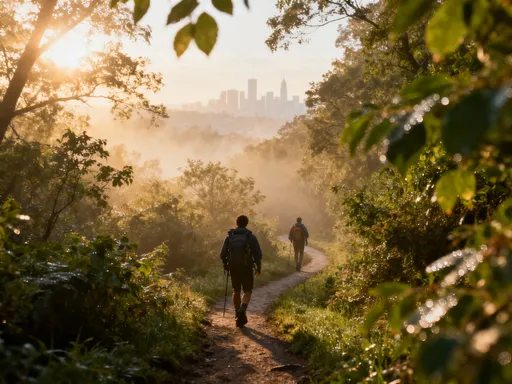
Often overshadowed by nearby tech campuses and research institutes, Powai Lake quietly cradles one of Mumbai’s best-kept natural secrets — a series of gentle trails winding through the foothills of the Western Ghats. Though the lake itself is man-made, the surrounding terrain is deeply rooted in natural geography, with native vegetation, seasonal streams, and panoramic views that stretch across the skyline. Early mornings here are especially magical, when mist floats above the water and birds call from hidden perches in the trees.
For women seeking low-impact exercise or mindful solitude, the trails around Powai offer a perfect blend of accessibility and serenity. The terrain is mostly flat to gently sloping, suitable for walking, light jogging, or even yoga sessions by the water’s edge. Local residents often gather at sunrise for tai chi, stretching, or quiet reflection, creating a supportive, informal community of wellness seekers. Unlike crowded fitness centers or noisy sidewalks, this space encourages a slower pace — one that nurtures both body and mind.
Accessing the area is straightforward via public transport or private vehicle, with multiple entry points near IIT Bombay and the Hiranandani complex. Parking is limited, so arriving early ensures a better experience. Visitors should wear comfortable shoes, carry water, and apply mosquito repellent, especially during post-monsoon months when insects are active. Sun protection is also important, as shaded areas are sparse along certain stretches. Bringing a notebook or camera enhances the experience, allowing for journaling, sketching, or photographing the ever-changing light on the lake.
What sets Powai apart is its authenticity. Unlike commercialized lakeside developments elsewhere, this area remains relatively untouched by heavy tourism. There are no loud music zones, food trucks, or amusement rides — just open spaces, greenery, and the soothing presence of water. For those raising children in a fast-paced digital world, sharing this kind of quiet beauty fosters appreciation for simplicity and nature’s rhythms. It becomes more than a walk; it becomes a lesson in presence, stillness, and gratitude.
Coastal Escapes: Beyond the Crowded Beaches
When most people think of Mumbai’s coastline, images of Marine Drive at sunset or Juhu Beach filled with street vendors come to mind. But beyond these well-known shores lie quieter, lesser-visited beaches that offer solitude, natural beauty, and a deeper connection to the sea. Places like Erangal Beach, Upgarshet Beach, and Kelwa Beach — located on the northern fringes of the city and in neighboring Palghar district — remain off the mainstream radar, accessible primarily by ferry or local train followed by a short auto ride.
These coastal gems provide a different kind of escape — one defined by soft sands, gentle waves, and wide-open skies. Unlike commercial beaches, they lack crowds, loudspeakers, and plastic waste, preserving a sense of purity and peace. Families can spread mats, enjoy homemade snacks, and let children play freely in a safe, unstructured environment. For women managing busy schedules, such spaces offer rare opportunities to simply sit, watch the tide, and listen to the rhythm of the ocean — a form of meditation that requires no special training.
Timing is crucial when visiting these remote shores. Most are best accessed during low tide, when the water recedes and reveals tidal pools, rocky outcrops, and small inlets perfect for exploration. Ferry services operate regularly from Manori and Marve, though schedules vary by season, so checking in advance is recommended. Safety remains a priority — visitors should avoid swimming in strong currents, stay clear of restricted zones, and never leave trash behind. Respecting local fishing communities and their livelihoods is equally important, as many of these beaches are part of traditional coastal ecosystems.
What makes these coastal escapes truly special is their ability to restore a sense of wonder. Watching a lone fisherman cast his net at dawn, seeing crabs scuttle across wet sand, or spotting dolphins in the distance — these moments remind us of life’s simple, enduring beauty. They also highlight the importance of protecting fragile marine environments from overdevelopment and pollution. By choosing responsible travel habits, visitors contribute to the long-term sustainability of these places, ensuring they remain available for future generations.
Mangroves and Creeks: The City’s Living Filters
Hidden in plain sight along Mumbai’s creeks and estuaries are dense networks of mangrove forests — vital yet often underappreciated ecosystems that play a critical role in the city’s environmental health. Found in areas like Vasai Creek, Malad-Marve, Thane Creek, and Trombay, these salt-tolerant trees grow in brackish water, forming intricate root systems that stabilize shorelines, filter pollutants, and absorb floodwaters during heavy rains. Scientists estimate that Mumbai has lost nearly 40% of its mangroves over the past few decades due to construction and land reclamation, making conservation efforts more urgent than ever.
For residents, especially those living in low-lying areas prone to flooding, the protection offered by mangroves is invaluable. During the monsoon, these natural barriers reduce the impact of storm surges and prevent soil erosion. They also serve as breeding grounds for fish, crabs, and other aquatic species, supporting local fisheries and biodiversity. Recognizing their importance, several NGOs and government bodies now organize eco-tours and awareness programs that allow citizens to learn about and engage with these ecosystems directly.
Eco-friendly mangrove walks, led by trained naturalists, are available in designated zones where footpaths and boardwalks minimize environmental impact. Participants learn how to identify different mangrove species, understand tidal influences, and appreciate the interdependence of land and sea. These tours are particularly meaningful for families, as they combine education with hands-on experience, helping children develop ecological awareness from a young age. Women interested in environmental stewardship find these initiatives empowering, offering ways to contribute to urban resilience through informed action.
Supporting mangrove conservation doesn’t require grand gestures. Simple choices — like avoiding plastic, participating in clean-up drives, or advocating for green policies in housing societies — make a difference. Some communities have even adopted nearby mangrove patches, organizing monthly monitoring and planting drives. These grassroots efforts reflect a growing understanding that nature is not separate from city life but deeply woven into its survival. Protecting these green sentinels is not just an environmental duty; it’s an act of care for our homes, our children, and our future.
Monsoon Magic: When Mumbai’s Nature Comes Alive
For many, the monsoon season brings inconvenience — waterlogged streets, delayed commutes, and damp clothes. But for those willing to look closer, the rains transform Mumbai into a lush, vibrant landscape teeming with life. Hills turn emerald green, waterfalls cascade down rocky cliffs, and frogs emerge in chorus after dusk. The air carries the rich scent of wet earth, known as petrichor, a fragrance that instantly evokes memory and emotion. This seasonal renewal offers a unique window into nature’s resilience and regenerative power.
Hiking during the monsoon requires preparation and caution. Trails become slippery, leeches may appear, and sudden downpours can reduce visibility. However, with proper gear — waterproof jackets, sturdy shoes with grip, and insect repellent — many find the experience deeply rewarding. Popular monsoon treks include those in Sanjay Gandhi National Park, the hills behind Powai, and the trails leading to Karnala Bird Sanctuary just outside the city. These routes offer stunning views of mist-covered valleys, blooming wildflowers, and increased bird activity.
One of the most enchanting aspects of the monsoon is the return of amphibians. Species like the Bombay night frog and the Malabar gliding frog become active, filling the night with their calls. Night walks led by naturalists provide safe, guided opportunities to observe these creatures without disturbing their habitats. Children especially enjoy these excursions, which spark curiosity about biology and ecology. For women seeking meaningful weekend activities, such outings combine adventure with learning, fostering connection not only with nature but also with fellow participants.
It’s important to note that not all areas are safe during heavy rains. Low-lying regions, flooded roads, and unofficial trails should be avoided. Authorities often issue advisories during peak rainfall, and heeding them ensures personal safety and reduces strain on emergency services. Choosing official parks and registered tour operators allows visitors to enjoy the monsoon’s beauty responsibly. When approached with respect and awareness, the rainy season reveals a side of Mumbai that few get to see — wild, alive, and profoundly beautiful.
Making the Most of Mumbai’s Natural Wonders – A Practical Mindset
Exploring Mumbai’s natural wonders doesn’t demand extensive travel, large budgets, or perfect weather. What it requires is intention — a deliberate choice to pause, step outside the routine, and engage with the living world around us. For women who carry the emotional and logistical weight of family life, these moments of connection are not indulgences; they are necessities. Nature offers a form of healing that is gentle, continuous, and freely available — a reminder that well-being begins with small, consistent choices.
Planning ahead enhances the experience. Checking park timings, weather forecasts, and transportation options ensures smoother outings. Packing essentials like water, snacks, sunscreen, and first-aid supplies adds comfort and confidence. Traveling in groups, especially for remote locations, increases safety and enjoyment. Many women find strength and camaraderie in forming nature clubs or walking circles, turning solitary pursuits into shared journeys of discovery and support.
Equally important is the mindset with which we approach these spaces. Nature is not a backdrop for photos or a checklist of destinations; it is a dynamic, living system that deserves respect. Staying on marked paths, avoiding littering, and refraining from plucking plants or disturbing wildlife are small acts that uphold larger values of sustainability and care. Teaching children these principles instills lifelong habits of environmental responsibility.
In a world that often feels overwhelming, Mumbai’s hidden natural wonders stand as quiet affirmations of balance and beauty. They remind us that peace is not always found in faraway places — sometimes, it’s just a local train ride, a short climb, or a quiet moment by the water. By embracing these sanctuaries, we do more than escape the city’s noise; we reconnect with ourselves, our families, and the enduring rhythms of the earth. The greatest adventure may not be crossing continents, but opening our eyes to the magic that already surrounds us.