Hidden Gems & Handmade Wonders: Shirakawa-go’s Most Instagrammable Secrets
Nestled in Japan’s misty mountains, Shirakawa-go isn’t just a postcard village—it’s a living storybook. Thatched gassho-zukuri farmhouses rise like fairytale cottages, smoke curling from their rooftops into crisp alpine air. But beyond the iconic scenery lies something even more captivating: handcrafted treasures made the old-fashioned way. I’ll show you where to find the most photogenic moments and authentic specialty products that make this UNESCO site unforgettable. More than just a destination, Shirakawa-go invites visitors to slow down, observe, and connect—with history, with nature, and with the quiet dignity of traditions passed from one generation to the next. This is not tourism as spectacle, but as reverence.
First Glimpse: Arriving in Shirakawa-go – A Scene Straight Out of a Dream
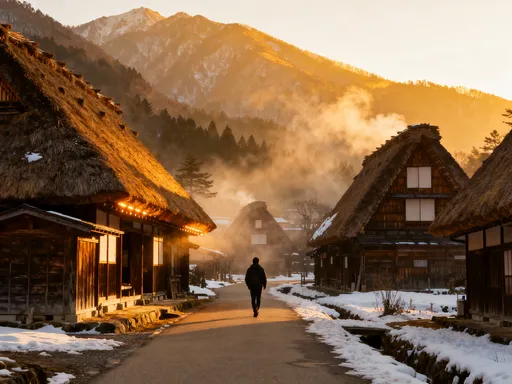
The journey to Shirakawa-go begins with a winding mountain road, where dense forests give way to sudden, breathtaking panoramas. As the bus climbs higher, travelers press against the windows, catching their first glimpse of the village nestled in the valley below. From this vantage, the thatched roofs appear like hands folded in prayer—gassho, from which the architectural style draws its name. The sight is so perfectly composed it feels unreal, as though lifted from a storybook illustration or a dream sequence in a film. In winter, the village is blanketed in thick snow, softening edges and turning rooftops into pillowed domes glowing under pale sunlight. In summer, emerald fields and lush greenery frame the homes, their golden thatch catching the light like burnished copper.
Seasonal changes dramatically influence the visual tone of the village. Winter, from late December to early February, transforms Shirakawa-go into a silent wonderland. The heavy snowfall—often exceeding two meters—requires constant maintenance, yet it also enhances the fairytale aesthetic that draws photographers from around the world. The annual light-up event in January, when the village is illuminated after dark, creates one of the most photographed scenes in rural Japan. However, for those seeking tranquility, early spring or late autumn offers fewer crowds and equally stunning contrasts: cherry blossoms in April or fiery maple leaves in November reflecting in the Shōgawa River. These shoulder seasons allow for a more intimate experience, where the rhythm of village life remains undisturbed by tourist tides.
Lighting plays a crucial role in how the village reveals itself. Early morning, just after sunrise, casts a cool, diffused glow that highlights textures—the grain of the wood, the layered straw of the roofs, the soft steam rising from chimneys. This is the golden hour for photography, when shadows are long and gentle, and the air carries a crystalline clarity. By midday, the sun flattens contrasts, washing out details. Evening brings a different magic, especially in colder months, when interior lights flicker to life behind wooden shutters, creating warm pockets of illumination against the deepening blue of the mountains. To see Shirakawa-go in person is to understand that no photograph, no matter how skilled, can fully capture its atmospheric depth—the hush of snowfall, the scent of aged timber, the quiet pride of a community preserving its legacy.
The Magic of Gassho-zukuri: More Than Just Picture-Perfect Houses
The iconic gassho-zukuri farmhouses are the soul of Shirakawa-go, and their design is as practical as it is poetic. The steeply pitched thatched roofs, rising at angles up to 60 degrees, are engineered to withstand the region’s extreme snowfall. Without this slope, the weight of winter snow would collapse ordinary structures. The thatch itself, made from miscanthus reed, is layered over 40 to 60 centimeters thick, providing natural insulation that keeps homes warm in winter and cool in summer. These roofs require replacement every 30 to 40 years, a massive communal effort known as yui, where villagers come together to re-thatch a home in a single week. This tradition not only maintains the buildings but also strengthens the social fabric of the community.
Inside, the homes are equally remarkable. Take the Wada House, one of the largest and oldest preserved residences, dating back over 250 years. Its multi-story interior unfolds around a central hearth called the irori, a sunken fire pit used for heating, cooking, and gathering. Smoke from the fire rises through the open rafters,熏ing the wooden beams and helping preserve the thatch above. This ventilation system doubles as a drying space for crops like rice and tobacco, which were historically cultivated on upper floors. The absence of chimneys might seem unusual, but the smoke’s slow movement through the attic ensures even drying and pest control, showcasing the ingenuity of pre-modern Japanese engineering.
What makes these homes truly special is that they are not museum pieces frozen in time. Many are still lived in, passed down through generations. Others have been carefully restored and opened to the public, allowing visitors to step into a world where daily life unfolds in harmony with centuries-old rhythms. Walking through one of these homes, you feel the weight of history in the darkened wood, hear the creak of floorboards underfoot, and sense the continuity of a culture that values resilience, simplicity, and interdependence. The gassho-zukuri style is more than architecture—it is a testament to human adaptation, a living dialogue between people and their environment.
Where to Snap: Top Photo Spots Without the Crowds
While the observation deck at Shiroyama offers the classic panoramic view of Shirakawa-go, arriving early—or visiting later in the day—can make all the difference in capturing a peaceful, crowd-free shot. For a more intimate perspective, the path leading up to Myozenji Temple provides a slightly elevated view with fewer tourists. The narrow stone steps wind through cedar trees, opening suddenly to a framed vista of the village below, often veiled in morning mist. This route is especially photogenic in winter, when frost clings to branches and the silence is broken only by the crunch of snow underfoot.
Another overlooked gem is the Shōgawa River, which cuts through the village and offers reflective surfaces perfect for symmetry shots. Early risers can capture the thatched roofs mirrored in the still water, especially on windless mornings. The small wooden bridges crossing the river—such as the one near the bus stop—add compositional depth, leading the eye into the frame. For street-level authenticity, explore the back alleys behind the main tourist path. These quiet lanes reveal everyday life: baskets of drying herbs, hand-carved signs, and laundry flapping gently in the alpine breeze. These details, often missed by hurried visitors, convey the village’s true character.
Photographers should be mindful of timing and etiquette. Tripods, while useful for low-light shots, can obstruct narrow pathways and inconvenience both residents and fellow visitors. It’s best to use them only in open areas and during off-peak hours. Respect for privacy is paramount—many homes are private residences, and windows should never be peered into. The golden hour, just after sunrise or before sunset, remains the most magical time for photography, when warm light bathes the thatch in a honeyed glow and long shadows add dimension. By approaching photography with patience and respect, visitors can create images that honor the village’s spirit, not just its surface beauty.
Beyond the Postcard: Discovering Local Craftsmanship
Shirakawa-go’s charm extends far beyond its architecture. Scattered throughout the village are small workshops where artisans preserve traditional crafts with quiet dedication. One of the most enduring is washi paper making, a practice rooted in the region’s abundant clean water and mulberry bark. At family-run studios, visitors can watch papermakers dip wooden frames into vats of fibrous pulp, lifting them to reveal delicate sheets that will dry in the mountain air. Each sheet bears the subtle texture of handcraft—the slight irregularities, the natural fibers—qualities that machine-made paper can never replicate.
Textile weaving is another living tradition. Using wooden looms passed down through generations, local weavers create sturdy fabrics from hemp and cotton, often dyed with natural pigments from local plants. These textiles were once essential for clothing and household use, and today they live on in scarves, table runners, and pouches sold in small shops. The patterns are simple but meaningful, reflecting the aesthetics of rural life—functional, durable, and quietly beautiful. Some artisans offer short demonstrations, inviting guests to try their hand at weaving or paper decoration, creating a tactile connection to the craft.
Woodworking, too, remains a vital skill. Local carvers shape spoons, bowls, and miniature gassho-zukuri models using tools that have changed little over centuries. The scent of fresh cedar fills their workshops, and the rhythm of chisels against wood echoes through the quiet streets. These objects are not made for mass consumption; they are expressions of care, each piece shaped by hand and time. To hold one is to feel the imprint of the maker—the slight variations in grain, the smoothness achieved through sanding with rice paper. In a world of uniformity, these handmade items offer something rare: authenticity.
Must-Try Specialty Products: From Soba to Soy Sauce
No visit to Shirakawa-go is complete without tasting its culinary treasures. The region’s cold climate and pure water make it ideal for growing buckwheat, the star ingredient in its famous handmade soba noodles. Served warm in a light dashi broth or chilled with a dipping sauce, these noodles have a nutty flavor and firm texture that distinguish them from mass-produced versions. Many local eateries prepare them fresh each morning, and watching the process—kneading, rolling, and slicing the dough by hand—adds to the experience. Paired with a side of pickled vegetables or a soft-boiled egg, a bowl of soba is both nourishing and deeply satisfying.
For heartier fare, Hida beef skewers offer a taste of Gifu Prefecture’s renowned wagyu. Marinated and grilled over charcoal, the meat melts in the mouth, rich with umami and just the right amount of fat. Though more expensive than street snacks, a single skewer is enough to understand why this beef is celebrated nationwide. Equally beloved are mitarashi dango—chewy rice flour dumplings glazed with a sweet soy-based sauce. Served warm on a stick, they offer a comforting contrast to the mountain chill, their glossy coating catching the light like amber.
Equally important are the condiments and pantry staples that define the region’s flavor profile. Small family shops sell house-brewed miso, aged for months in wooden barrels, its deep umami enhancing soups and marinades. Soy sauce, too, is made locally using traditional methods, resulting in a richer, more complex taste than commercial brands. Mountain herb teas, harvested from the surrounding slopes, offer soothing blends of yomogi (mugwort), sansai (wild vegetables), and green tea. These products are not only delicious but also practical souvenirs—light, shelf-stable, and deeply rooted in place. Tasting them at home becomes a way to relive the journey, a sensory echo of the village’s quiet strength.
Shopping with Soul: Finding Authentic Keepsakes
In a world of mass-produced souvenirs, Shirakawa-go offers a refreshing alternative: goods made with care, by people who live here. The key to meaningful shopping is knowing where to look. Family-run stalls, often set up in converted farmhouses or small wooden kiosks, are the best sources for authentic items. These vendors sell what they make or source locally, from hand-stitched dolls dressed in miniature traditional garments to woven baskets and embroidered handkerchiefs. Look for pieces that show signs of handcraft—the slight asymmetry of stitching, the variation in dye—these are marks of authenticity, not flaws.
One of the most popular keepsakes is the miniature gassho-zukuri house, carved from cedar and assembled without nails, just like the real ones. These models, ranging from a few inches to over a foot tall, are not toys but tributes to architectural heritage. Other unique items include handmade candles wrapped in washi paper, wooden chopsticks engraved with mountain motifs, and small jars of wildflower honey harvested from local hives. Even snacks are packaged with care—wrapped in traditional furoshiki cloth or printed paper featuring local landscapes.
By choosing these items over generic trinkets, visitors support the local economy and help sustain the village’s cultural vitality. Every purchase contributes to the upkeep of homes, the continuation of crafts, and the pride of those who call Shirakawa-go home. It’s a form of tourism that gives back, where souvenirs become more than mementos—they become symbols of connection and respect.
Respecting the Rhythm: How to Visit Mindfully
As Shirakawa-go’s popularity grows, so does the responsibility of visitors to protect its fragile balance. This is not a theme park but a living community, where residents go about their daily lives with quiet dignity. Noise should be kept to a minimum, especially in residential areas. Loud conversations, music, or running children can disrupt the peace, so it’s important to move through the village with a sense of calm awareness. Stick to marked paths, avoid stepping on private property, and never enter homes or outbuildings unless invited.
Cultural etiquette matters. Bowing slightly when passing elders, removing shoes when entering certain shops or museums, and speaking softly are small gestures that show respect. Photography should be done with care—avoid using flash indoors or pointing lenses directly at people without permission. The goal is not to capture every possible shot, but to be present in the moment, to absorb the atmosphere, to listen to the river, to watch the way light shifts across the rooftops.
Slow travel is the best way to honor this place. Instead of rushing from one viewpoint to the next, spend time sitting on a bench, sipping tea, or chatting gently with a shopkeeper. Let the village reveal itself in its own time. By treading lightly, speaking softly, and choosing authenticity over spectacle, visitors become stewards of this rare cultural landscape. Preservation begins with awareness, and every mindful step helps ensure that Shirakawa-go remains not just a destination, but a legacy.
Why Shirakawa-go Stays With You
Shirakawa-go lingers in the memory not because it is perfect, but because it is real. It does not dazzle with neon or spectacle, but with silence, with smoke, with the texture of handmade paper under fingertips. The perfect Instagram shot may capture the curve of a thatched roof at golden hour, but it cannot hold the warmth of a hearth, the taste of freshly made soba, or the quiet pride in an artisan’s hands. These are the moments that stay—the ones that bypass the camera and go straight to the heart.
In a world increasingly shaped by filters and algorithms, Shirakawa-go offers something rare: authenticity. It reminds us that beauty does not have to be loud to be profound, that tradition can thrive without performance, and that the most meaningful travel experiences are often the quietest. To visit is not just to see, but to feel—to witness a way of life that values patience, craftsmanship, and community. And in that witnessing, we find not just a destination, but a reflection of what matters. So seek the real wonder. Seek the stillness. Seek the village that teaches you to slow down, look closely, and remember what it means to be present.