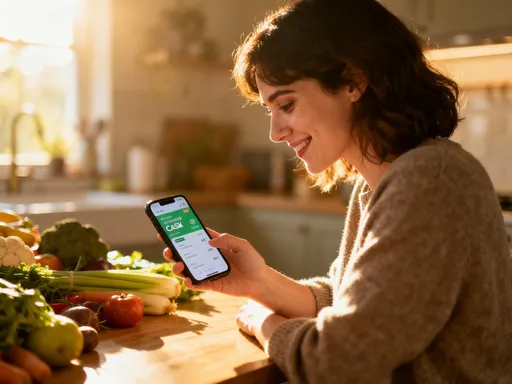
Saved $1,200 on Household Bills: How Cashback Apps Quietly Transformed My Daily Routine
Imagine ending each month with extra cash in your pocket—without cutting coffee runs or skipping grocery trips. What if small, smart tweaks to your shopping habits could add up to real savings? I didn’t believe it either—until I started using cashback apps in simple, everyday ways. They quietly reshaped how I shop, save, and manage my living space, turning routine expenses into unexpected wins. It wasn’t about living with less. It was about living smarter, with more peace of mind and a little extra breathing room each month. And honestly? That small shift changed everything.
The Moment I Realized My Wallet Was Working Against Me
There was a time when I’d look at my bank statement at the end of the month and feel completely defeated. I wasn’t splurging on fancy dinners or designer clothes. I was just trying to keep the house running—groceries, laundry detergent, school supplies, phone bills. Yet somehow, the money vanished. Every. Single. Month. I’d tell myself, “Next month, I’ll cut back.” But cutting back meant giving up things our family relied on, and that just added stress. I felt like I was running in place, working hard but never getting ahead.
Then one afternoon, while scrolling through a parenting forum, I saw a post from a mom who mentioned she’d saved over $800 in a year just by using a cashback app. My first thought? “That sounds too good to be true.” I assumed it involved complicated point systems, jumping through hoops, or only earning pennies on big purchases. But she explained it simply: she was already buying the same things—diapers, pasta, toilet paper—she just made sure to buy them through an app that gave her a small percentage back. No extra effort. No lifestyle overhaul. Just a smarter way to spend.
That idea stuck with me. What if I wasn’t the problem? What if my *system* was? Maybe the issue wasn’t that I was spending too much—it was that I wasn’t getting anything back from the spending I was already doing. That small shift in thinking—spending smarter, not less—was the turning point. I downloaded my first cashback app that night. I didn’t expect much. But within weeks, I started seeing real money return to my account. And that tiny bit of extra cash each month? It started to feel like hope.
What Cashback Apps Really Are (And Why They’re Not Too Good to Be True)
Let’s clear up the confusion: cashback apps aren’t magic, and they’re definitely not scams. They work because of a simple business reality—retailers are already paying to get your attention. Whether it’s a supermarket, a streaming service, or an online store, they spend money on advertising to bring in customers. Cashback apps act like digital middlemen. They partner with these companies and say, “We’ll send shoppers your way,” and in return, the retailer gives the app a commission.
Here’s the beautiful part: instead of keeping all that money, the app shares a portion with you—the shopper. So when you buy laundry detergent through the app, the store pays the app a small fee, and the app gives you, say, 5% of your purchase back. You get cash. The store gets a sale. The app gets a cut. Everyone wins. It’s not free money—it’s *returned* money, a slice of the marketing budget that now lands in your pocket instead of disappearing into corporate overhead.
I know it sounds almost suspiciously easy. But think of it like loyalty points at your local coffee shop—you get a stamp every time you buy a drink, and after ten, you get one free. Cashback apps are like that, but for almost everything you buy. And unlike store-specific rewards, these apps work across hundreds of brands and services, from grocery delivery to phone bills. The best part? You don’t have to change where you shop. You just route your purchase through the app first. It takes an extra ten seconds, and suddenly, your spending starts working for you.
Some people worry about privacy or data. That’s fair. I looked into it carefully before I started. Reputable cashback apps are transparent about what they collect—they usually need to verify your purchase, so they might track your order through a linked account or receipt upload. But they’re not spying on your browsing history or selling your personal info. I chose one with strong reviews and clear privacy policies. And after a year of use, I’ve had zero issues. It’s been smooth, secure, and surprisingly satisfying every time I see that little “$3.45 cashback” notification pop up.
Turning My Living Space into a Savings Hub
Once I got comfortable with the basics, I started thinking bigger. Not about spending more—but about being more intentional with the spending I was already doing. I looked around my house and realized how much of my budget went to maintaining it. The kitchen, the laundry room, the pantry, the cleaning closet—each of these spaces required regular restocking. And each purchase was a chance to earn back a little.
I began by mapping out my household essentials. Things like dish soap, trash bags, toilet paper, laundry pods, and pantry staples like rice, pasta, and canned goods. These aren’t impulse buys—they’re predictable, recurring needs. That made them perfect for cashback planning. Instead of grabbing whatever was on sale at the store, I started checking my app first. I’d open it before adding anything to my cart, online or in-app, and see if there was active cashback for that brand or store.
For example, I always buy the same brand of dish soap because my family likes it. I discovered that one app offered 8% cashback when I ordered it through a specific online grocery platform. That meant I earned back over $1 on every bottle—something I’d never even considered before. Multiply that by how often I buy it, and it adds up fast. Same with trash bags. I found a seasonal promotion offering 10% back on a bulk pack. I waited for that deal, stocked up, and earned $6 back—enough to cover a small utility bill over time.
The real shift was mental. I stopped seeing restocking as just another chore. Now, it felt like a small win. Every time I refreshed the pantry or refilled the laundry basket, I knew I was not just maintaining the house—I was also quietly building savings. I even started involving my teens. I showed them how I used the app, and now they’ll text me when they spot a good deal at the store, asking, “Can you get cashback on this?” It’s turned into a little family game, and honestly, it’s made them more aware of spending too. They’re learning that being smart with money isn’t about deprivation—it’s about being thoughtful and strategic.
The Grocery Game-Changer: Earning While Stocking the Fridge
Groceries are the one bill that never takes a vacation. No matter what, the fridge needs filling, the snacks need restocking, and the meals keep coming. Before cashback, grocery shopping felt like a necessary drain. Now? It’s one of my biggest savings opportunities.
I use two main approaches. First, I focus on the stores and delivery services I already use. I get my groceries delivered from a major supermarket chain, and I found that one cashback app offers 3% back on every order. That might sound small, but on a $150 weekly shop, that’s $4.50 every single week—over $200 a year. And since the delivery is automatic, the cashback is too. I don’t have to do anything extra. It just happens.
Second, I pay attention to bonus offers. Many apps run limited-time promotions—like 10% back on organic produce or 7% on baby food. I keep a mental note of these and plan my shopping around them. If I know there’s a 9% cashback deal on frozen vegetables, I’ll make sure to include them in my next order. It doesn’t change what I buy—it just makes the timing smarter. I’m not buying things I don’t need. I’m just making sure I get rewarded for the things I was going to buy anyway.
One of my favorite moments was when I shared this tip with a neighbor. We were chatting at a school pickup, and I mentioned how I’d earned $12 back in a single month just from grocery deliveries. She was skeptical at first, but I showed her how to set it up on her phone. A few weeks later, she texted me, “I just got my first cashback—$2.10 from a coffee order! This is actually fun.” That’s when it hit me: this isn’t just about money. It’s about feeling a little more in control, a little more rewarded for the everyday choices we make.
And the best part? It doesn’t require perfection. I don’t earn cashback on every single purchase. Sometimes I forget to open the app. Sometimes the store isn’t partnered. But I’ve learned that consistency, not perfection, is what matters. Even if I only earn back on half my grocery trips, that’s still free money stacking up over time. It’s like planting seeds—you don’t see the growth right away, but one day, you look down and there’s a garden.
Utilities, Subscriptions, and Hidden Household Costs
After mastering groceries and household supplies, I started looking at the “invisible” expenses—the ones that come out of my account automatically every month. Phone bill. Internet. Streaming services. Electricity top-ups. These aren’t one-time purchases, but they add up fast. And honestly? I used to dread seeing them on my statement. They felt unavoidable.
Then I discovered that many cashback apps offer rewards on these too. For example, I pay my phone bill through my carrier’s app, but now I go through the cashback platform first. It redirects me securely, I make the payment, and then I earn 5% back. Same payment, same service—but now I get something in return. Over a year, that added up to nearly $60. Not bad for doing absolutely nothing different.
Streaming services were another surprise. I use two— one for movies, one for kids’ shows. I found an app that offers 4% back when I renew my subscription through their link. It takes 30 seconds, and I earn cashback every six months. It’s such a small action, but it feels powerful. Instead of just handing over money, I’m making it work for me.
Even electricity top-ups—something I do occasionally when the prepaid meter runs low—can earn cashback in some regions through partnered apps. I tested it once, and sure enough, I got 3% back. It’s not a huge amount, but it’s symbolic. It reminds me that even the most routine, unavoidable expenses can be optimized. I no longer see bills as pure loss. Now, I see them as opportunities—tiny chances to get a little something back.
This shift has changed my relationship with money. I don’t feel helpless when the bills arrive. I feel prepared. I know I’ve built a system that turns passive spending into active savings. And that sense of control? It’s been priceless.
Making It Stick: Simple Habits That Keep Savings Growing
The truth is, any system only works if it fits into real life. I didn’t want to become obsessed with cashback or spend hours chasing every penny. So I built simple, sustainable habits that required almost no effort.
My main rule: check the app before any purchase. That’s it. Whether I’m buying groceries online, renewing a subscription, or ordering cleaning supplies, I open the cashback app first. If there’s a deal, great. If not, no stress—I just proceed as usual. This tiny pause takes less than ten seconds, but it’s made all the difference.
I also set monthly reminders to check my cashback balance. Most apps let you cash out once you hit a minimum—usually $10 or $25. I aim to withdraw every few months and transfer it straight to my savings account. Seeing that number grow—$50, then $100, then $200—has been incredibly motivating. It’s real money, earned quietly, without changing my lifestyle.
I involved my family by making it a shared goal. We have a “savings jar” in our budget for home improvements. Every time I cash out, I tell the kids, “That’s going toward new curtains” or “That’s part of the backyard upgrade.” They’ve started to see the connection between small actions and big results. And my husband? He used to roll his eyes at the idea. Now he asks, “Did you get cashback on that?” before we book anything.
The key is consistency, not intensity. You don’t have to be perfect. You just have to be present. A few mindful seconds before each purchase can lead to hundreds of dollars saved over a year. It’s not about being frugal. It’s about being aware. And awareness, I’ve learned, is the first step toward real financial freedom.
More Than Money: How Small Wins Built Confidence and Calm
After a year of using cashback apps, I did the math. I’d earned back $1,200. That’s over $100 a month—enough to cover a car payment, a vacation fund, or a chunk of my emergency savings. But the real transformation wasn’t just in my bank account. It was in my mindset.
I used to feel anxious about money. Every purchase came with a little voice in my head: “Can I afford this?” “Should I skip it?” Now, that voice is quieter. Because I know I have a system. I know that even when I’m spending, I’m also saving. That sense of balance has brought me a deep sense of calm.
I’ve become more intentional in other areas too. I plan meals better because I’m aware of grocery deals. I cancel unused subscriptions because I notice what I’m paying—and what I could be earning back. I talk to my kids about money more openly, using cashback as a teaching tool. This small habit has rippled out into every corner of our home life.
And perhaps the most unexpected gift? Confidence. I feel smarter. More capable. Like I’m not just surviving month to month, but actually building something. That $1,200 didn’t come from cutting out joy or living with less. It came from working with the life I already have, making it just a little more efficient, a little more rewarding.
So if you’re feeling like your money disappears every month, I get it. I’ve been there. But what if you could start turning your everyday spending into quiet wins? You don’t need a raise. You don’t need to overhaul your life. You just need to add one small step to your routine. Open an app. Check for cashback. Make your purchase. Let your money work for you.
Because real financial peace isn’t about having more. It’s about making what you have go further. And sometimes, the smallest changes create the biggest shifts. I didn’t just save $1,200. I gained confidence, clarity, and a quieter, more intentional home. And that? That’s worth far more than money.