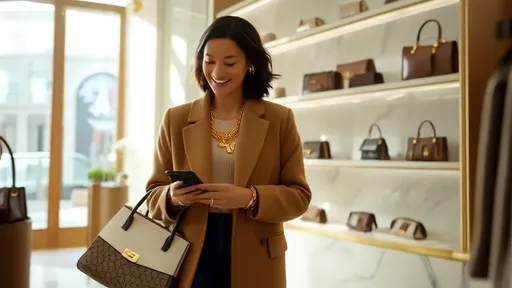
How I Mastered Luxury Spending Without Breaking the Bank
What if buying luxury didn’t mean blowing your budget? I used to think splurging on high-end items was financial suicide—until I learned the real skills behind smart luxury purchases. It’s not about how much you earn, but how you manage desire, timing, and value. This is the no-fluff, real-talk breakdown of how to enjoy premium living while staying in control. No hype, just proven strategies that actually work. Luxury, when approached with discipline, becomes not a liability but a calculated expression of value, taste, and long-term planning. The difference between financial regret and lasting satisfaction lies not in the price tag, but in the process behind the purchase.
The Mindset Shift: From Impulse to Investment
At the heart of every unwise luxury purchase is a split-second decision fueled by emotion rather than logic. The glossy display, the soft leather, the whispered promise of status—these sensations trigger dopamine long before reason has a chance to intervene. But those who master luxury spending have trained themselves to pause, reflect, and reframe. They no longer see a designer handbag as a treat or a watch as a trophy. Instead, they evaluate it as an asset with potential utility, durability, and even future value. This shift—from emotional impulse to strategic investment—is the cornerstone of financial control in high-end consumption.
Understanding the psychology behind desire is essential. Retailers spend millions engineering experiences that bypass rational thinking. Limited editions, celebrity endorsements, and exclusive launches are all designed to create urgency. But disciplined buyers recognize these triggers and resist them. They understand that true luxury isn’t about possession; it’s about intention. When you buy with purpose, you eliminate the noise of marketing and focus on what matters: longevity, craftsmanship, and personal alignment. This mindset doesn’t suppress joy—it redirects it toward purchases that deliver lasting satisfaction.
Moreover, this approach fosters patience. The instant-gratification culture tells us to buy now, but financially savvy consumers know that waiting often leads to better outcomes. Delaying a purchase allows time to research, compare, and assess whether the item truly fits into a broader financial plan. It also reduces buyer’s remorse, which studies show affects nearly 40% of luxury shoppers. By treating luxury as a deliberate choice rather than a reaction, you protect both your wallet and your peace of mind. The result is not deprivation, but empowerment—knowing that every high-end item you own was chosen wisely and adds real value to your life.
The Hidden Cost of "Affordable" Luxury
Many people fall into the trap of believing that purchasing entry-level luxury items is a smart compromise. A $500 designer wallet, a $300 pair of sunglasses, or a mid-tier handbag may seem like responsible splurges. But in reality, these so-called “affordable” luxuries often come with hidden costs that erode their value over time. The truth is, not all luxury goods are built to last, and some are designed to depreciate quickly—especially those marketed to first-time buyers. These products may carry prestigious logos, but they frequently use lower-grade materials, mass production methods, and simplified designs that reduce durability and resale appeal.
Consider two handbags: one from a well-known brand’s seasonal collection and another from its classic line. On the surface, they might look similar and cost about the same. Yet within a year, the seasonal bag could lose over 60% of its value due to oversaturation and changing trends, while the classic version holds its worth or even appreciates. The difference lies in scarcity, craftsmanship, and brand curation. Fast-fashion luxury, a growing segment, mimics high-end aesthetics but lacks the structural integrity or timeless design needed for long-term use. These items wear out faster, require more frequent replacement, and ultimately cost more over time despite their lower initial price.
Another hidden cost is maintenance. High-end leather goods need conditioning, fine jewelry requires cleaning, and mechanical watches demand servicing every few years. Some brands charge premium fees for these services, turning what seemed like a one-time purchase into an ongoing expense. Buyers who don’t account for these costs end up spending far more than anticipated. Additionally, overpriced accessories—like phone cases, keychains, or scarves—often serve more as marketing tools than functional items, delivering little utility for their premium price. The lesson is clear: the sticker price is only the beginning. True cost evaluation must include durability, service needs, and long-term usability. A $1,200 bag that lasts a decade and retains value is cheaper in the long run than three $400 bags that wear out within two years each.
Timing Is Everything: When to Buy (and When to Walk Away)
Luxury markets operate on predictable cycles, and those who understand timing can save thousands. Unlike everyday retail, where prices are relatively stable, high-end goods follow seasonal rhythms influenced by product launches, fashion calendars, and inventory turnover. For example, new handbag collections typically debut in January and July. Within weeks, pre-owned markets see a surge in last season’s models as owners upgrade. This creates a window where gently used designer bags can be acquired at 30% to 50% below retail—without sacrificing quality or authenticity.
Similarly, end-of-season sales at authorized retailers often include markdowns on luxury accessories, footwear, and ready-to-wear items. While major discounts on core pieces are rare, secondary items like belts, gloves, and small leather goods may be reduced by up to 40%. These are ideal opportunities to build a wardrobe gradually without overspending. Holiday promotions, particularly after major shopping events like Black Friday, sometimes extend to luxury beauty sets, fragrances, and gift-ready collections. Though the brands rarely advertise these deals directly, select department stores and online partners offer bundled value that beats full-price purchases.
Another critical timing factor is product discontinuation. When a brand announces the retirement of a popular model—such as a specific watch or handbag silhouette—its resale value often increases due to scarcity. Savvy buyers monitor brand communications and industry news to anticipate these shifts. Conversely, launching a new model can devalue its predecessor almost overnight. This means that buying immediately after a release is often the worst financial move. Waiting six to twelve months allows the market to stabilize and secondary prices to adjust. Patience, in this context, is not passive—it’s an active financial strategy. By aligning purchases with market rhythms rather than emotional impulses, consumers gain leverage, avoid overpaying, and increase the likelihood of long-term satisfaction.
The Resale Reality: Building Value While You Use
One of the most powerful yet underutilized strategies in luxury spending is planning for resale from the outset. While few people buy a handbag or watch intending to sell it, the reality is that certain categories retain or even increase in value over time. Mechanical watches from Swiss manufacturers, limited-edition handbags from French maisons, and rare collectible accessories often appreciate due to craftsmanship, brand legacy, and controlled supply. By selecting items with strong resale potential, buyers can significantly reduce their net cost of ownership—sometimes to zero or even a profit.
What makes an item resale-friendly? Several factors contribute: brand reputation, production volume, material quality, and cultural relevance. For example, a Hermès Birkin or a Rolex Submariner is consistently sought after because of their enduring design, exclusivity, and global recognition. These items are not just fashion statements—they are functional assets with liquid markets. Buyers who understand this can use resale as a built-in discount mechanism. A $10,000 watch that sells for $9,000 after five years of use represents a $1,000 cost for half a decade of enjoyment—an effective annual expense of $200, far below initial perception.
Preserving condition is crucial. Original packaging, service records, authenticity cards, and minimal wear all increase resale value. Storing items properly, avoiding excessive sun exposure, and servicing mechanical components on schedule can make the difference between a strong return and a steep loss. Selling platforms also matter. Reputable consignment shops, authenticated online marketplaces, and auction houses provide security and reach, though they may charge commission. Direct peer-to-peer sales can yield higher returns but require more effort and risk assessment. The goal isn’t to become a trader, but to treat luxury ownership as a cycle: buy thoughtfully, use proudly, exit strategically. This approach transforms consumption into a sustainable financial practice.
Credit, Cash, and the Leverage Game
How you pay for a luxury item can be just as important as what you buy. The choice between cash and credit isn’t merely about preference—it’s a strategic decision that affects liquidity, credit health, and overall financial efficiency. Paying in full with savings eliminates interest and debt risk, providing peace of mind. However, it also ties up capital that could be invested elsewhere. On the other hand, using credit wisely—especially through rewards cards or 0% financing offers—can unlock benefits without increasing net cost, provided the balance is repaid on time.
Rewards credit cards, for instance, often offer points, cash back, or travel miles on purchases. A 2% cashback card on a $5,000 purchase earns $100 in value—effectively reducing the price before any negotiation or discount. Premium cards may offer introductory bonuses, extended warranties, or purchase protection, adding further value. Some issuers partner with luxury retailers to provide exclusive access, early releases, or special financing terms. When used responsibly, these tools enhance purchasing power without encouraging overspending.
0% interest financing, commonly offered for 6 to 12 months on high-ticket items, allows buyers to spread payments without accruing interest. This can be especially useful when timing a purchase ahead of a bonus or seasonal income. However, it requires strict discipline. Missing a payment or failing to pay the full balance before the promotional period ends results in retroactive interest charges, which can be substantial. Therefore, this strategy works only when integrated into a clear repayment plan. The key is leverage: using credit to maintain liquidity while continuing to earn returns on invested capital. This isn’t about living beyond means—it’s about optimizing cash flow to support both enjoyment and growth.
The Filter Framework: A 4-Step Decision System
To eliminate impulse and ensure every luxury purchase aligns with financial goals, a structured evaluation process is essential. The Filter Framework provides a repeatable four-step system: Purpose Check, Value Alignment, Cost Forecast, and Exit Strategy. Each step forces deeper reflection, turning emotional wants into informed decisions.
The first step, Purpose Check, asks: Why do I want this? Is it for daily use, special occasions, or social signaling? If the answer leans heavily toward status or temporary excitement, the purchase may not be justified. Items bought for genuine utility—such as a durable winter coat, a reliable timepiece, or a high-quality bag for daily commutes—are more likely to deliver lasting value. This step filters out emotionally driven buys and focuses on functional need.
Value Alignment examines whether the item matches personal standards and lifestyle. Does the design suit your aesthetic long-term? Will you still appreciate it in three years? Is the brand known for quality and ethical practices? This step ensures the purchase reflects authenticity rather than trend-chasing. A $2,000 coat that fits perfectly into your wardrobe and climate is more valuable than a $4,000 piece that sits unused.
Cost Forecast projects the total expense over time, including maintenance, storage, and potential repairs. A leather bag may need annual conditioning; a watch may require servicing every five years. Factoring in these costs provides a realistic picture of affordability. If the long-term burden outweighs the benefit, it’s a sign to reconsider.
Finally, the Exit Strategy determines how the item can be resold, gifted, or repurposed when no longer needed. Can it be sold through a reputable channel? Is there a secondary market? Planning the exit before the entry ensures that ownership is temporary by design, not regret. Together, these four steps create a disciplined, transparent process that turns luxury spending into a rational, rewarding practice.
Living Well Within Limits: Sustainable Luxury Habits
Mastery of luxury spending isn’t achieved through a single smart purchase—it’s built through consistent habits that align with long-term financial health. The most successful consumers don’t rely on willpower alone; they create systems that support mindful consumption. One effective habit is budget integration: allocating a fixed percentage of discretionary income to luxury spending, typically between 5% and 10%, depending on overall financial goals. This cap prevents overspending while still allowing for enjoyment.
Another key practice is the 30-day rule: waiting one month before finalizing any high-end purchase. During this time, the buyer researches alternatives, monitors prices, and reassesses need. This simple delay reduces impulsive decisions and increases confidence in the final choice. Many find that after 30 days, the desire fades—revealing that the urge was temporary, not essential.
Regular portfolio reviews are also valuable. Just as investors assess their stock holdings, luxury owners should periodically evaluate their high-end items. Which pieces are used frequently? Which have retained value? Which no longer fit lifestyle or taste? This review encourages intentional ownership and identifies opportunities for resale or donation. It also reinforces the idea that luxury is not accumulation, but curation.
Finally, celebrating non-material rewards strengthens financial discipline. Recognizing achievements with experiences—such as a weekend getaway, a cooking class, or a concert—can be just as fulfilling as a physical purchase, often at lower cost and with greater emotional return. Over time, these habits reshape the relationship with luxury, moving it from impulsive indulgence to deliberate enrichment. The result is a life of refined taste, financial control, and lasting satisfaction—where luxury isn’t a threat to wealth, but a reflection of wisdom in managing it.