Buy Now, Pay Later—Is This Trend Still Working?
Living in a world where swiping for instant purchases feels normal, I’ve tested the waters of installment payments more than once. At first, it seemed smart—spreading costs, managing cash flow. But over time, I started asking: is this really helping me build financial stability, or quietly pulling me into a cycle? This article unpacks what’s really happening behind the trend. While buy now, pay later (BNPL) services promise flexibility and convenience, their long-term impact on personal finances is more complex than advertised. What began as a tool for smarter spending has, for many, become a habit that masks deeper financial vulnerabilities. We’ll explore how this shift happened, who benefits, and how consumers can make informed choices without sacrificing long-term security.
The Rise of Installment Culture: What Changed?
In the not-so-distant past, installment payments were reserved for major purchases—cars, appliances, or furniture. These were deliberate decisions, often requiring credit checks, down payments, and formal agreements. Today, that model has been flipped. Consumers can split the cost of a $30 pair of sunglasses or a $50 kitchen gadget into four interest-free payments with just a few taps during checkout. This shift didn’t happen by accident. It was engineered by fintech companies aiming to reduce friction in online shopping while capitalizing on evolving consumer expectations around speed and convenience.
The digital shopping experience has been optimized to make spending feel effortless. One-click purchases, saved payment methods, and real-time delivery tracking have conditioned users to expect immediacy. BNPL services fit perfectly into this ecosystem, acting as a psychological bridge between desire and ownership. Unlike traditional credit cards, which carry the stigma of debt and interest, BNPL platforms often advertise zero interest for short terms, making them appear financially neutral. This perception has led to widespread adoption, particularly among younger shoppers and middle-income households looking to stretch their budgets.
What’s changed most significantly is the normalization of deferred payments for everyday items. A decade ago, using financing for a coffee maker would have seemed excessive. Today, it’s routine. Retailers have embraced BNPL not only because it increases conversion rates but also because it encourages higher average order values. Shoppers are more likely to add extra items to their cart when they see that the total can be split into manageable chunks. This subtle nudge—framing spending as affordable over time—has redefined how people think about money, often without them realizing it.
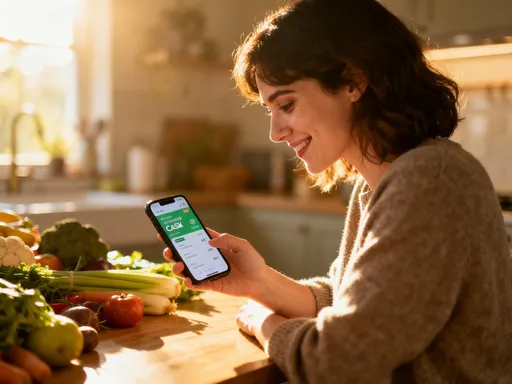
The rise of mobile-first financial apps has further accelerated this trend. Platforms like Afterpay, Klarna, and Affirm have built seamless integrations with e-commerce sites, making BNPL options visible and accessible at the point of sale. These services are marketed as tools for financial empowerment, allowing users to “take control” of their spending. Yet, the reality is that many consumers use them to access goods they couldn’t otherwise afford upfront, effectively borrowing against future income. The convenience comes at a cost—one that isn’t always visible until multiple payments stack up.
How Installments Affect Your Cash Flow—The Hidden Truth
On the surface, splitting a purchase into installments appears to ease financial pressure. Instead of paying $200 all at once, a shopper might choose to pay $50 every two weeks. This seems manageable, even responsible. But when multiple purchases are financed this way, the cumulative effect on cash flow can be significant. Each installment is a future obligation, and when several overlap, they create a web of recurring outflows that can strain a monthly budget. The danger lies in the invisibility of these commitments—unlike a credit card statement that consolidates debt, BNPL payments are often scattered across different platforms, making it easy to lose track.
Cash flow management becomes especially challenging when income is irregular or fixed. For families relying on a single paycheck or supplemental earnings, timing mismatches between payment due dates and paydays can lead to shortfalls. A $40 payment might seem trivial when scheduled, but when three or four are due in the same week, the total suddenly becomes $160—equivalent to a utility bill or grocery run. Without careful planning, consumers can find themselves choosing between honoring BNPL commitments and covering essential expenses.
Moreover, the short repayment periods typical of BNPL plans—often 6 to 12 weeks—leave little room for error. Unlike long-term loans with amortization schedules, these plans demand consistent cash availability. A minor emergency—a car repair, a medical copay, or a home appliance breakdown—can quickly disrupt the delicate balance. Missed payments trigger late fees, damage credit scores (on some platforms), and in some cases, result in collections. What started as a tool for flexibility can quickly turn into a source of stress.
Another hidden cost is the opportunity cost of tying up future income. Every dollar allocated to an installment payment is a dollar not available for savings, debt reduction, or investment. Over time, this erosion of financial flexibility can delay progress toward long-term goals like building an emergency fund or saving for a child’s education. While BNPL may preserve cash in the short term, it does so by mortgaging future liquidity. Consumers who rely heavily on these services may find that, despite steady income, they’re never quite able to get ahead.
The Psychology Behind the Swipe: Why We Keep Saying Yes
Human behavior plays a powerful role in the appeal of installment payments. Behavioral economists have long studied the “pain of paying”—the discomfort people feel when parting with money. BNPL services reduce this pain by decoupling the act of purchasing from the act of paying. When a consumer clicks “buy now,” they don’t hand over cash or see a large deduction from their account. Instead, they’re told they’ll pay later, often in small increments. This delay dulls the psychological impact, making spending feel less consequential.
Another key factor is mental accounting. People tend to categorize money differently based on its source or intended use. A $100 clothing purchase paid in full might feel like a big expense, but when split into four $25 payments, it’s mentally filed as a series of minor transactions. This fragmentation makes it easier to justify spending, especially when the item is non-essential. Retailers understand this and design checkout flows to highlight the per-payment amount rather than the total, reinforcing the illusion of affordability.
The design of BNPL apps also exploits cognitive biases. Notifications that celebrate successful purchases or remind users of “money saved” by using installments reinforce positive associations with spending. Some platforms even use gamification elements, such as progress bars showing how close a user is to paying off a purchase, which can create a false sense of financial achievement. These features aren’t neutral—they’re carefully crafted to encourage repeated use and increase customer lifetime value for the provider.
Additionally, the absence of interest in the initial repayment period creates a halo effect. Consumers assume that if no interest is charged, the transaction is cost-free. They overlook the fact that late fees, missed payments, and the broader impact on financial discipline can carry real costs. The combination of low friction, psychological ease, and perceived savings makes BNPL an easy habit to fall into—one that can be hard to break without conscious intervention.
Risk Exposure in a Volatile Economy: Are You Protected?
Economic instability magnifies the risks associated with deferred payment models. When incomes are steady and predictable, managing multiple installments may seem feasible. But during periods of job loss, reduced hours, or rising living costs, these obligations can become unmanageable. Unlike secured loans backed by assets, most BNPL agreements are unsecured, meaning they rely entirely on the borrower’s ability to repay. If financial hardship strikes, there’s no collateral to fall back on—and no built-in protection for the consumer.
Inflation adds another layer of pressure. As the cost of essentials like food, housing, and transportation rises, households have less discretionary income available for discretionary purchases made on installment. A payment that felt manageable three months ago may now represent a larger share of a tightened budget. Consumers who signed up for BNPL plans during more stable times may find themselves struggling to keep up, especially if their income hasn’t kept pace with inflation.
Interest rate adjustments also pose a risk. While many BNPL plans advertise zero interest for short terms, some include variable rates or fees that kick in after the initial period. Consumers who extend repayment or miss payments can face charges that significantly increase the total cost of the original purchase. These terms are often buried in fine print, making them easy to overlook at the point of sale. Regulatory scrutiny is increasing, but enforcement varies by region, leaving gaps in consumer protection.
Furthermore, the integration of BNPL into credit reporting is still evolving. Some providers report payment history to credit bureaus, which can help build credit if payments are made on time. However, missed payments can also damage credit scores, affecting future borrowing ability. For consumers who use BNPL across multiple platforms, tracking these impacts becomes increasingly difficult. Without a centralized view of their financial obligations, they risk overextending themselves and undermining their long-term financial health.
Smart Use vs. Overuse: Drawing the Line
Not all use of installment plans is problematic. When applied thoughtfully, BNPL can be a legitimate tool for managing cash flow around high-value, long-life purchases. The key is distinguishing between strategic financing and habitual spending. A family buying a reliable refrigerator or a necessary laptop for remote learning might reasonably choose to split the cost, especially if it prevents dipping into emergency savings. In these cases, the purchase supports long-term household stability and aligns with broader financial goals.
The danger arises when installment financing is used for frequent, low-value items—clothing, accessories, or impulse buys. These purchases rarely contribute to lasting value and can accumulate into a cycle of recurring payments. Over time, this pattern shifts the focus from building wealth to managing debt, even if the debt carries no interest. The real cost isn’t just financial—it’s the erosion of discipline and the normalization of living beyond one’s means.
To draw a clear line, consumers can adopt a simple evaluation framework. First, ask: Is this purchase necessary? If the answer is no, proceed with caution. Second, consider usage frequency—will this item be used regularly, or is it a one-time indulgence? Third, assess alignment with financial priorities. Does buying this now delay progress on a more important goal, like saving for a vacation or paying off credit card debt? Applying these filters can help prevent emotional spending disguised as budgeting.
Another useful practice is to simulate the purchase in cash terms. Before confirming a BNPL transaction, ask: Would I still buy this if I had to pay the full amount today? If the answer is no, it’s a strong signal that the purchase isn’t truly affordable. This mental exercise restores the pain of paying and encourages more deliberate decision-making. By reserving installment plans for truly strategic needs, consumers can harness their benefits without falling into overuse.
Alternatives That Build Wealth Instead of Debt
There are healthier financial habits that support long-term stability without relying on future income. One of the most effective is pre-saving—setting aside small amounts regularly until enough is saved to make a cash purchase. This approach builds discipline, eliminates interest and fees, and ensures that spending aligns with actual resources. For example, saving $25 a month for eight months results in $200—enough to buy the same item outright, without any repayment obligations.
Cash-down purchases, even partial ones, also improve financial resilience. By paying a significant portion upfront and financing only the remainder, consumers reduce both the total amount borrowed and the duration of repayment. This hybrid model limits exposure while still providing some flexibility. It also reinforces the principle that ownership should be earned, not assumed.
Low-leverage strategies, such as using a high-yield savings account or a short-term certificate of deposit, can further enhance this approach. These tools allow money to grow while it’s being saved, turning the waiting period into a productive phase rather than a delay. Over time, this mindset shift—from instant access to patient accumulation—can transform financial behavior and build real wealth.
Another alternative is to prioritize needs over wants using a structured budgeting method, such as the 50/30/20 rule. Allocating 50% of income to needs, 30% to wants, and 20% to savings creates clear boundaries for spending. Within this framework, installment plans can be reserved for needs, while wants are funded through discretionary income or saved-for purchases. This system provides clarity and prevents emotional spending from derailing financial goals.
The Future of Spending: What Comes After BNPL?
As consumer awareness grows and regulators step in, the BNPL industry is beginning to evolve. Some platforms are introducing features designed to promote responsible use, such as spending limits, repayment reminders, and integration with budgeting apps. Others are exploring income-linked repayment models, where payment amounts adjust based on the user’s current earnings—a concept borrowed from student loan systems. These innovations could make deferred payments more sustainable, especially for low- and middle-income users.
Integration with credit scoring is another emerging trend. As more BNPL providers report to credit bureaus, consistent on-time payments can help users build or rebuild credit history. This adds a positive incentive for responsible use and could eventually make BNPL a tool for financial inclusion rather than just consumption. However, this also means that missteps will carry greater consequences, making financial literacy more important than ever.
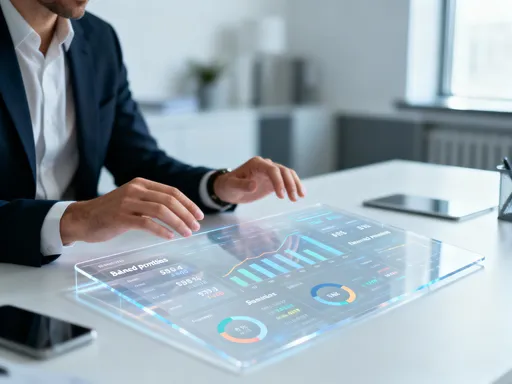
Artificial intelligence is also playing a role. Some apps now use AI to analyze spending patterns and send alerts when a user’s installment load approaches a risky level. These nudges can help prevent overextension before it becomes a crisis. While not a substitute for personal discipline, they offer a layer of support for those navigating complex financial lives.
The future of spending will likely involve a blend of convenience and accountability. As the initial hype around BNPL fades, consumers are becoming more discerning. The most successful financial tools will be those that empower users to make informed choices, not those that encourage blind spending. The shift from debt-dependent habits to ownership-based discipline won’t happen overnight, but it’s a necessary evolution for lasting financial health.
The buy now, pay later trend reflects a broader cultural shift toward immediacy and convenience. While it offers short-term relief, its long-term impact depends on how it’s used. For some, it’s a useful cash flow tool. For others, it’s a trap disguised as freedom. The difference lies in awareness, discipline, and intentionality. By understanding the mechanics behind installment plans, recognizing the psychological triggers, and choosing alternatives that build wealth, consumers can take control of their financial futures. The goal isn’t to reject modern tools, but to use them wisely—aligning spending with values, and purchases with purpose. In doing so, financial stability becomes not just possible, but sustainable.